Area 02  ·  Resilience & sustainable performance

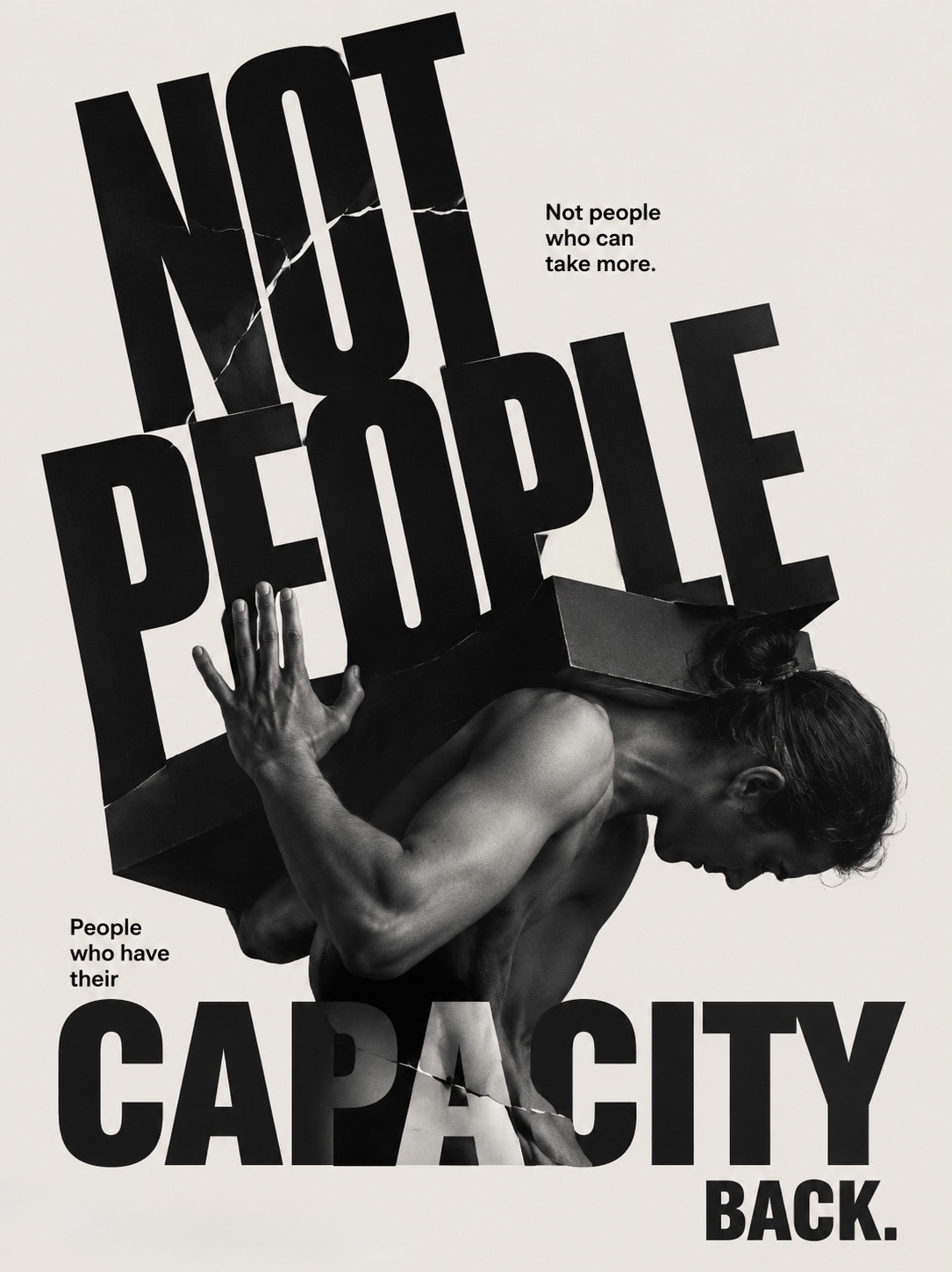
Not people who can take more. People who have their capacity back.

Most resilience programmes train endurance. This is about the conditions that let people recover.

A figure bent under the weight of the sculpted words NOT PEOPLE, with CAPACITY along the base and BACK. at its foot — not people who can take more, people who have their capacity back.
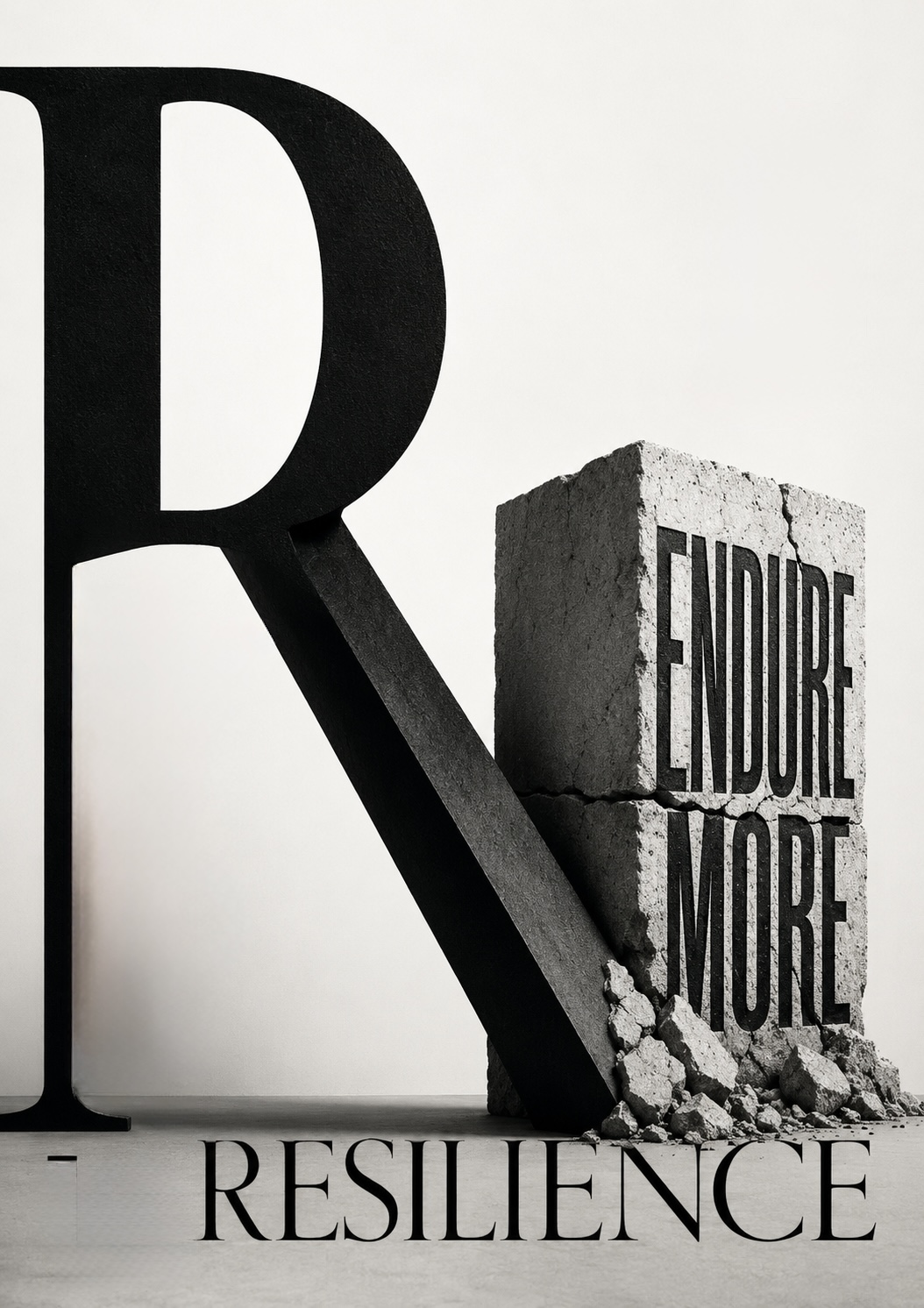
Sculpture of the letter R leaning against a cracked concrete block reading ENDURE MORE, titled RESILIENCE.

Resilience has been turned into something it isn't. In most workplaces the word now means endure more — absorb the pressure, bounce back faster, be the one who can take it. Offered that way, a resilience programme quietly tells people the problem is their own insufficient toughness, while the conditions producing the strain stay exactly as they were. In the hardest sectors the word lands as an instruction to complain less, and it makes things worse.

Genuine resilience is close to the opposite of endurance. It is the capacity to recover — to meet difficulty, be affected by it, and return to full function — not the capacity to absorb difficulty indefinitely without showing it. Those are different things, and confusing them is expensive.

A person who is enduring looks resilient right up to the point they are not.
A figure straining to push the towering word RIGHT up a steep slope, in the manner of Sisyphus.
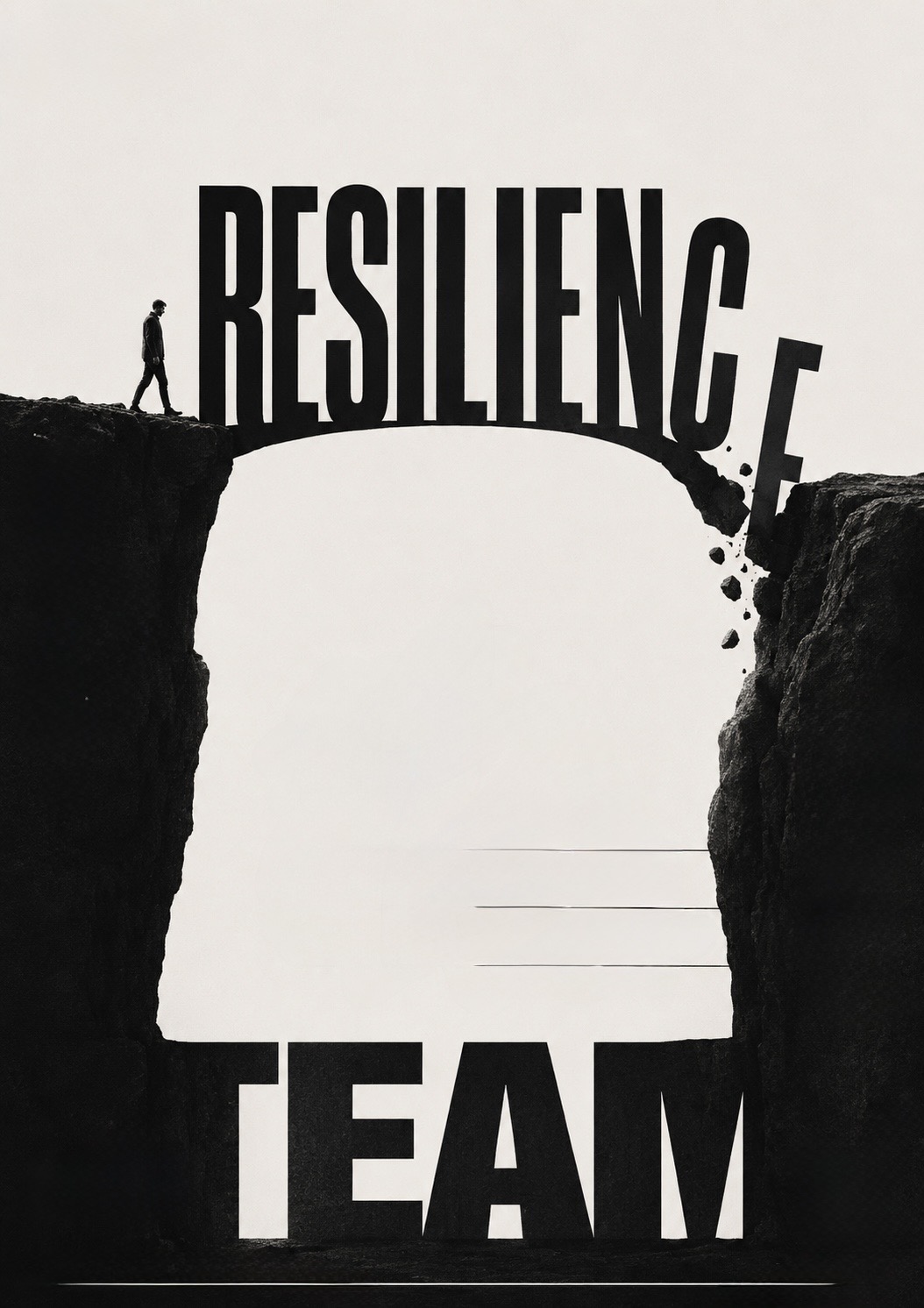
A lone figure walking across a bridge of rock that spells RESILIENCE over a chasm, with the word TEAM forming the ground below.

The other misunderstanding is that resilience is a trait some people have and others lack — something you can train into an individual in a half-day. It is far more a property of conditions than of character. People recover well when they are held well: when there is genuine relational support, when difficulty can be named without cost, when repair happens after things go wrong.

A team with those conditions is resilient almost regardless of the individuals in it. A team without them will exhaust even its strongest people. Working only on individuals, while the relational environment stays untouched, is working on the wrong unit.

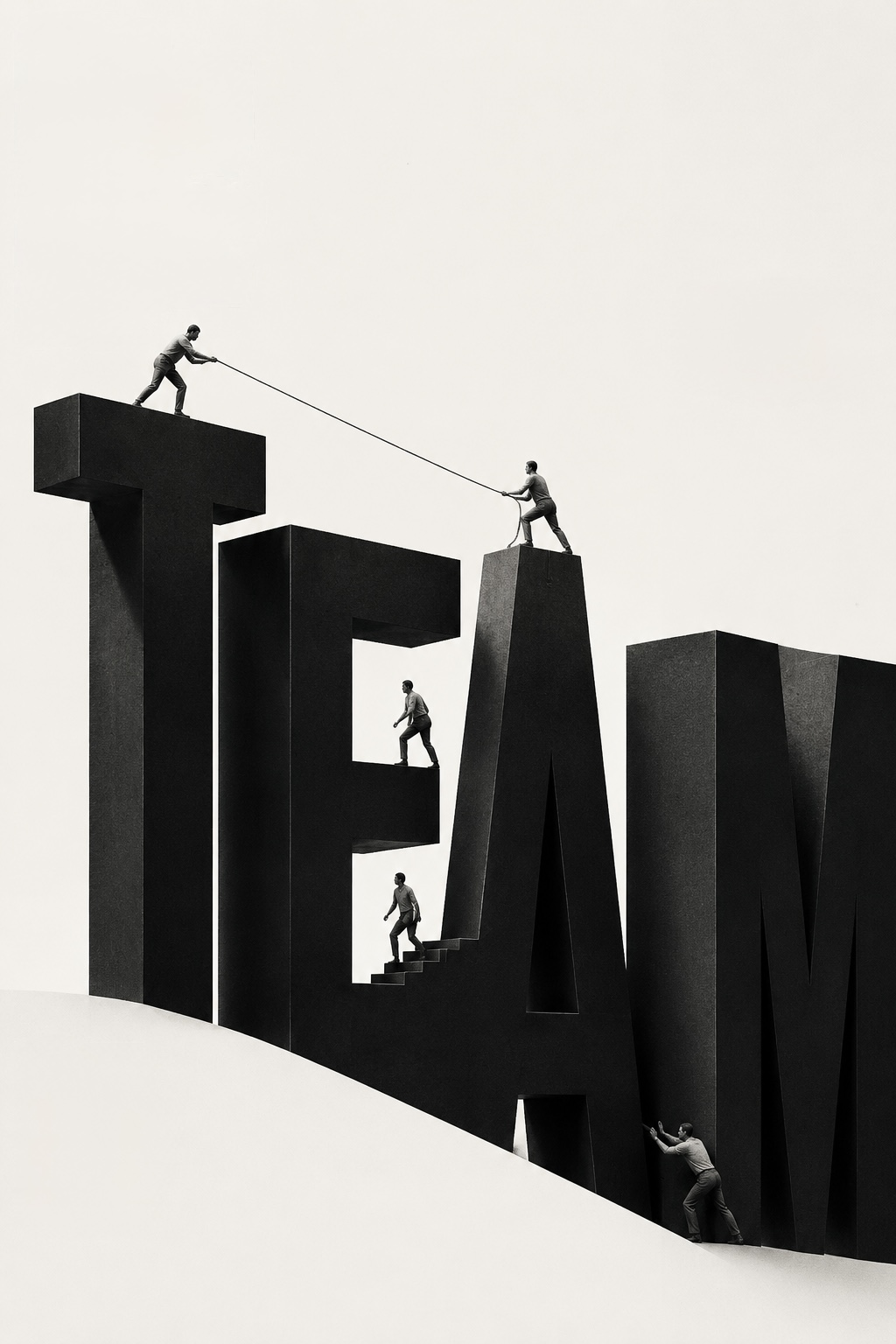
Figures hauling, climbing and pushing the giant letters of the word TEAM up a slope together.
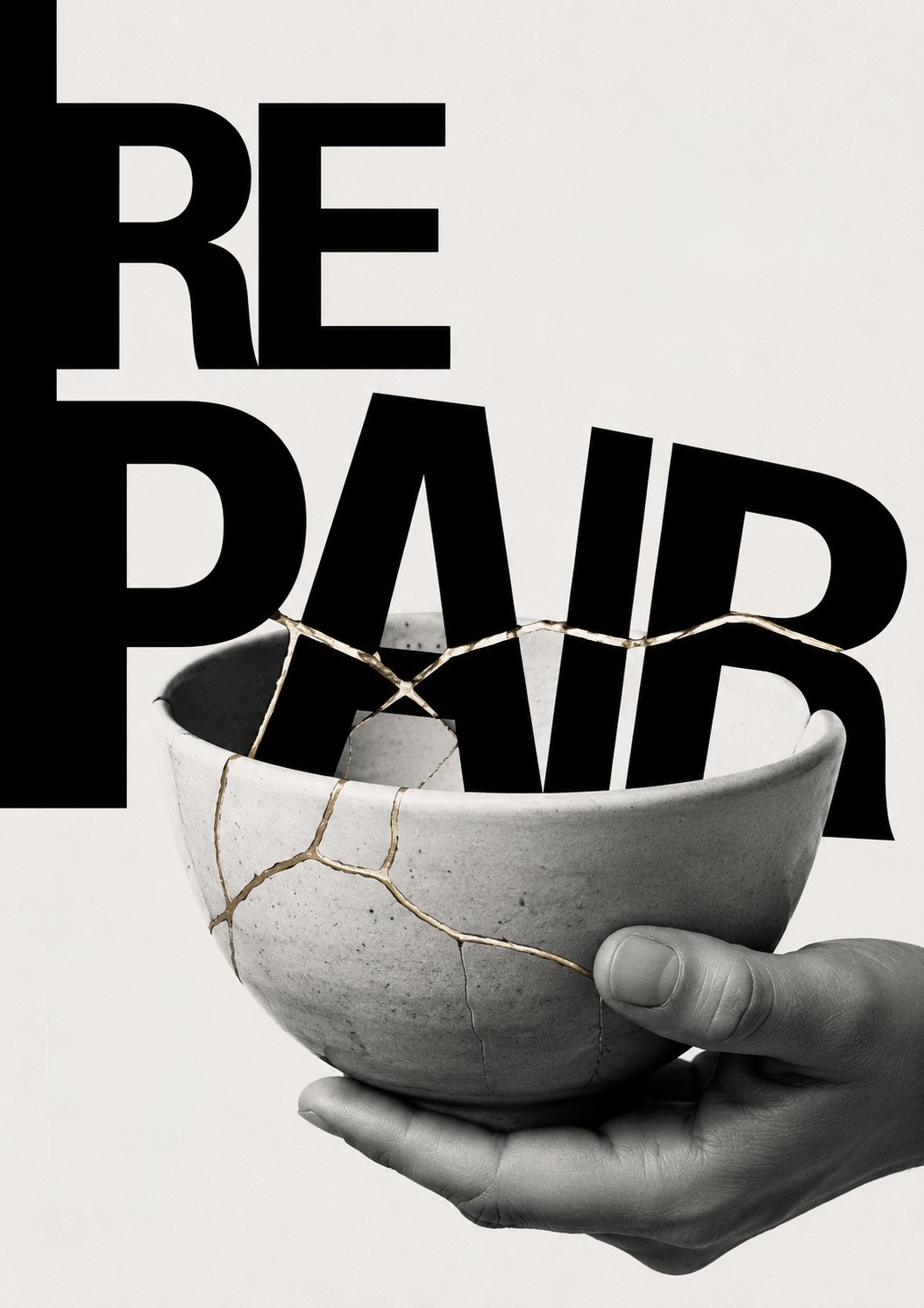
A pair of cupped hands holding a broken ceramic bowl mended with gold in the kintsugi tradition, beneath the sculpted word REPAIR.

So the useful question is not how do we make our people more resilient, but what conditions let genuine recovery happen here — and those conditions are buildable. The single most valuable capacity a team can have is not the absence of rupture but the reliable presence of repair: things go wrong, and the relationship recovers rather than hardening.

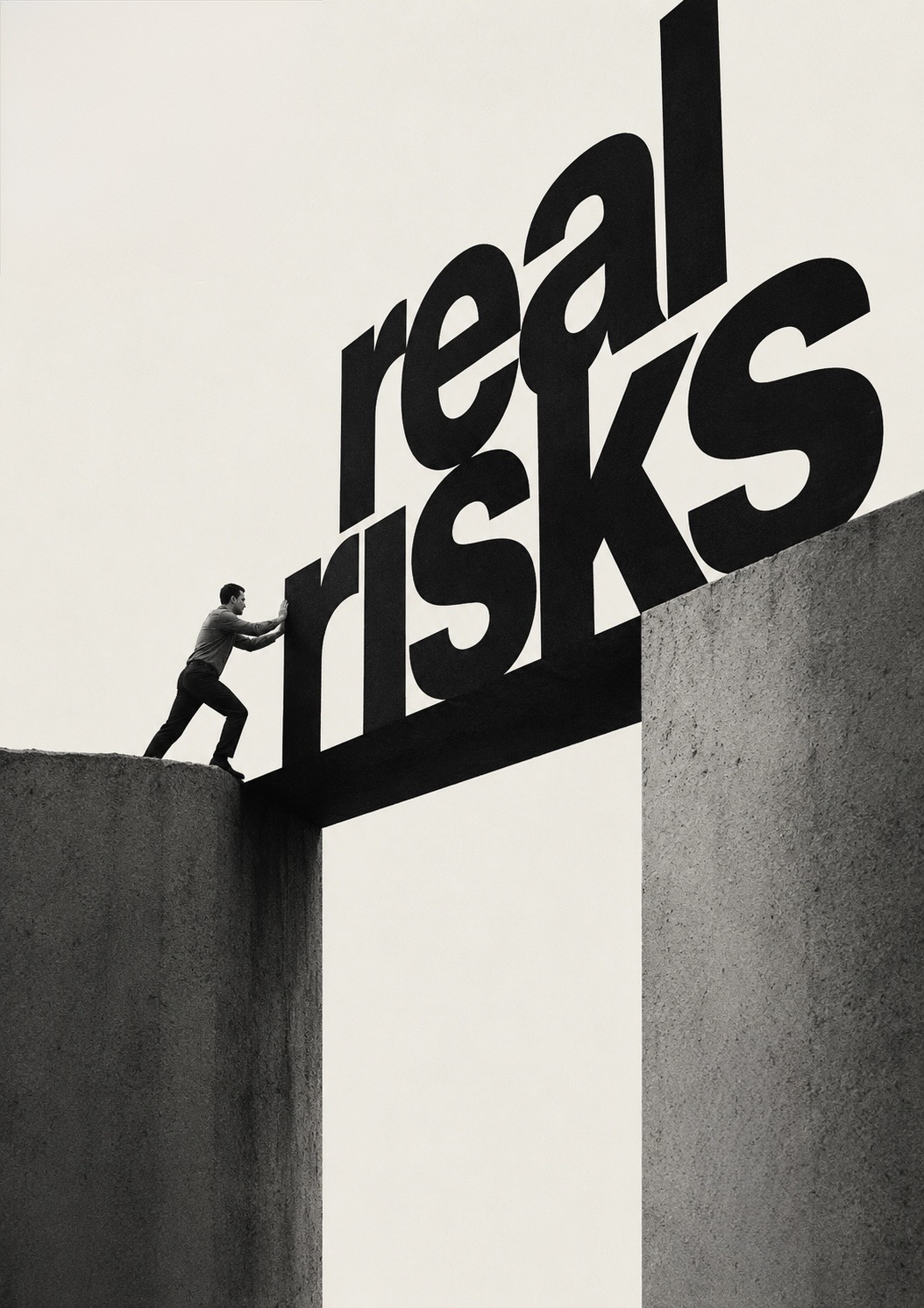
That is what lets people take real risks, stay in genuine contact, and bring something of their own to the work rather than defending themselves through it.

A figure pushing the toppling words REAL RISKS across a gap between two concrete pillars.
What it restores

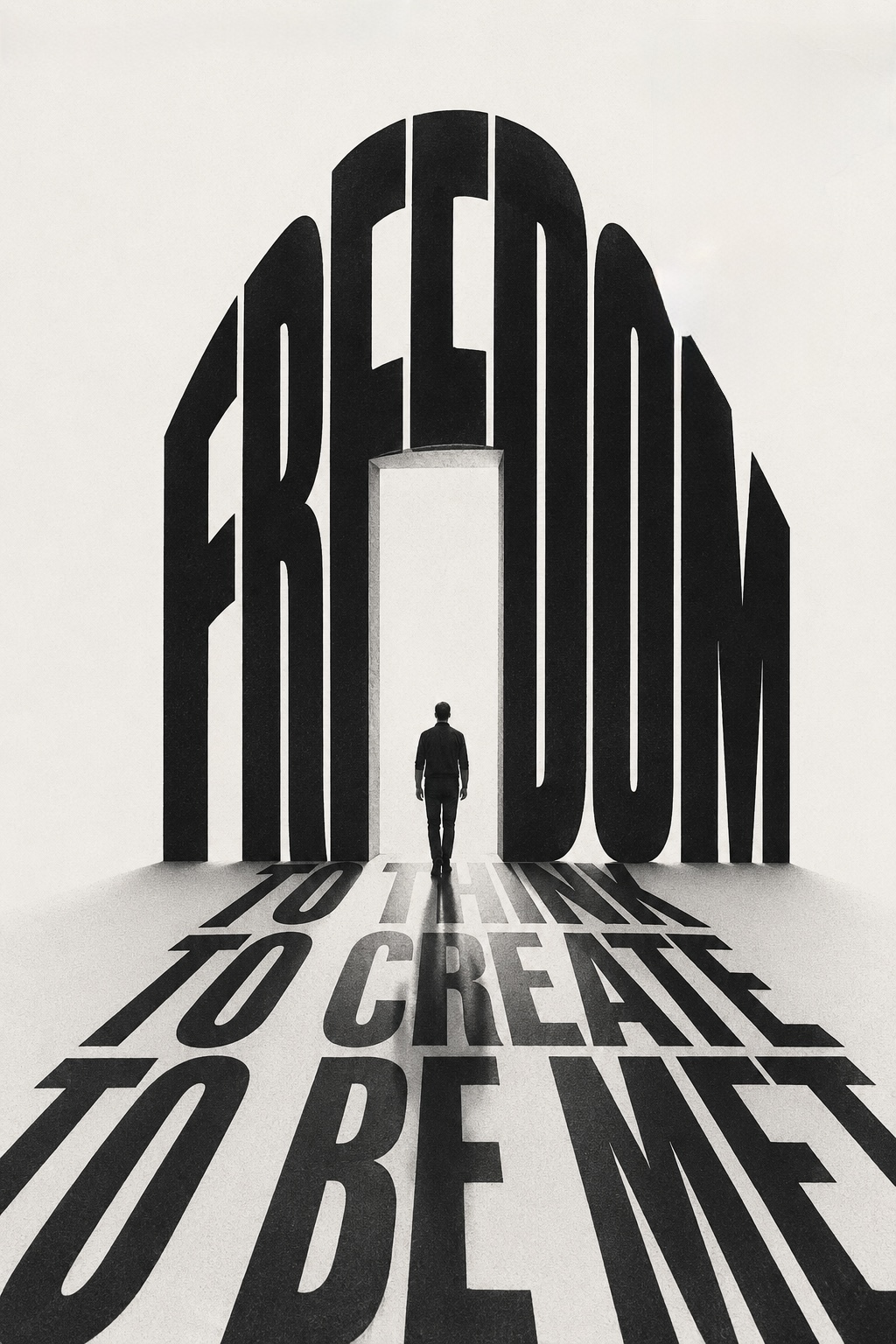
What this work restores is not a higher tolerance for strain. It is the freedom to be fully in the work again — to think, to create, to be met — which is the thing sustained pressure shuts down first, and the thing an organisation actually depends on.

Consultancy across London (117 Harley Street), Norwich, online and on-site.
A lone figure walking through a doorway formed by the word FREEDOM, its shadow spelling TO THINK, TO CREATE, TO BE MET across the ground.
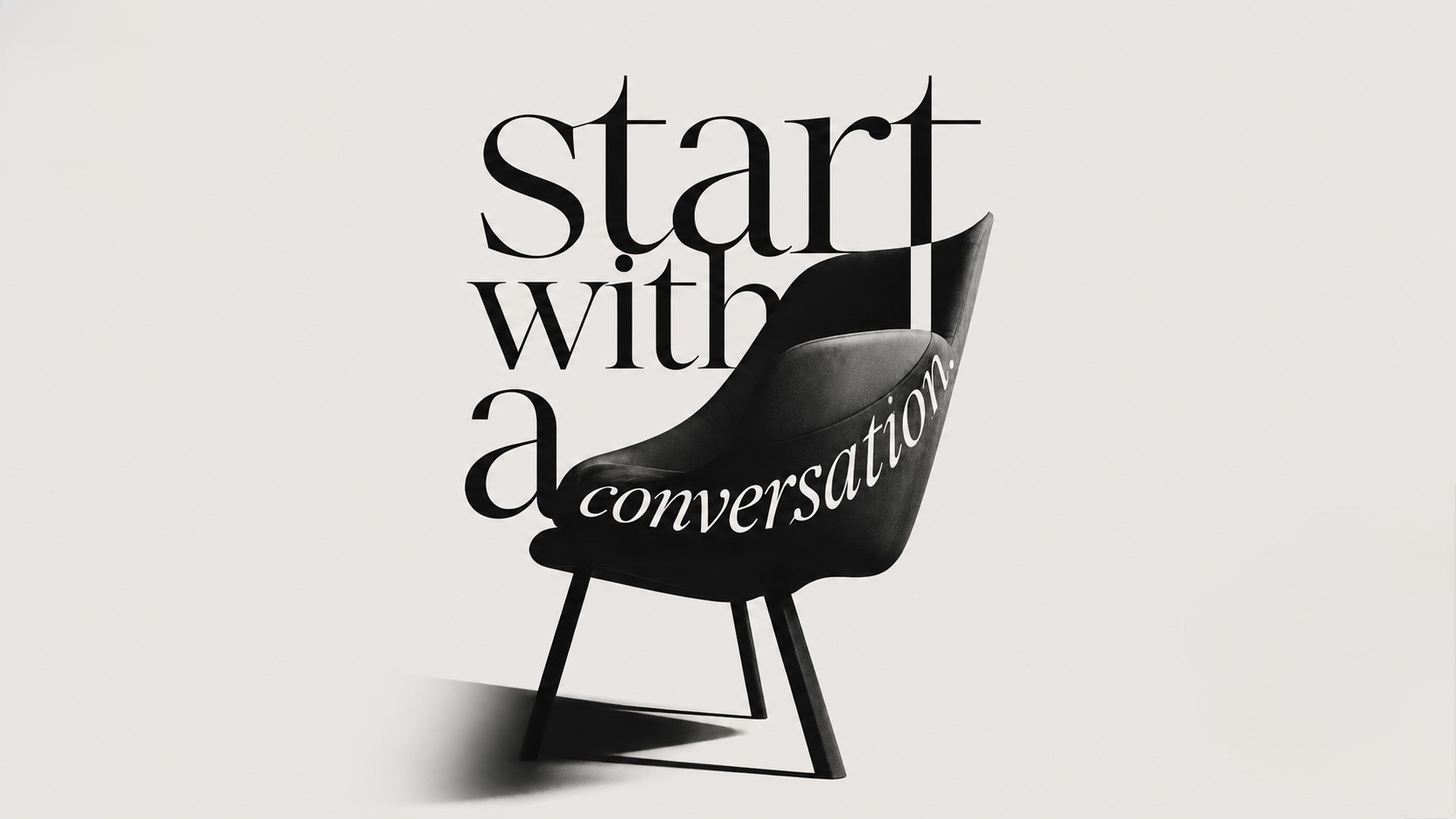
A single empty chair, the words ‘start with a conversation’ wrapping around its form.
Get in touch

Tell me where your provision sits.