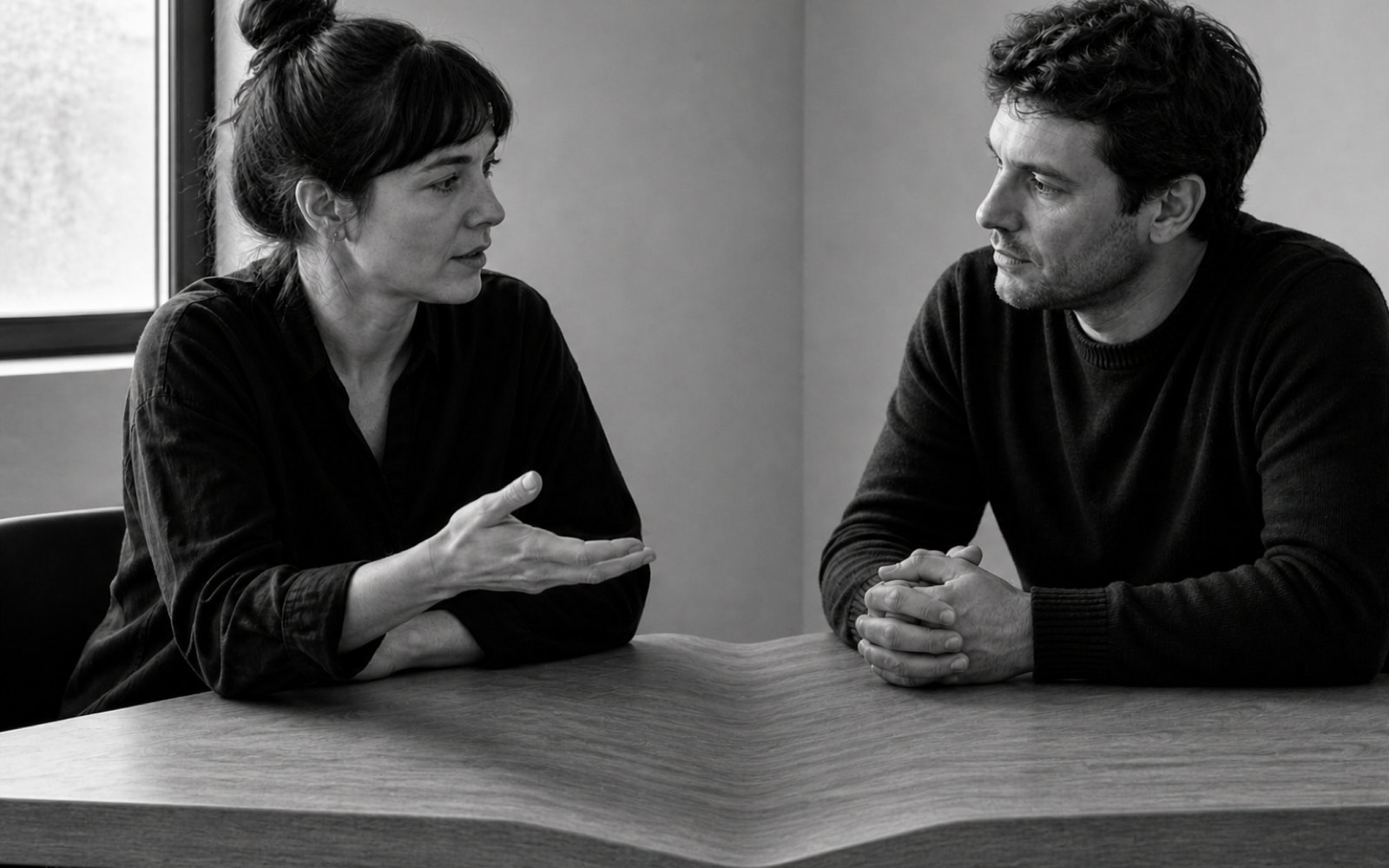
Most organisations meet burnout too late, because by the time it is visible it has already been happening for a long time. The person who finally goes off was, for months beforehand, still delivering. That is the confusing thing about it from the outside. Burnout is not ordinary tiredness that a holiday fixes. It is a deeper depletion (physical, emotional, motivational at once), and the people most prone to it are often the most committed ones, the ones whose sense of their own worth is quietly staked on never stopping.

That last part is what a standard wellbeing programme misses. It treats burnout as a workload problem, solvable with resilience training and a mental-health-awareness day. Sometimes workload is the whole of it. But often the pace is being driven by something the person cannot easily put down: a belief that their value depends on output, a fear of what they are without the doing. The rest doesn't take, because the thing driving the pace was never addressed.

Tell that person to rest and you have added one more demand to a list that was already the problem.

Real work on burnout goes underneath the exhaustion, to the place where stopping came to feel unsafe. Not to dismantle anyone's drive (the drive is usually pointed at something they genuinely care about), but to make room for the part that has been left out of the bargain: the body, the limit, the need for recovery that the person had learned to treat as weakness.
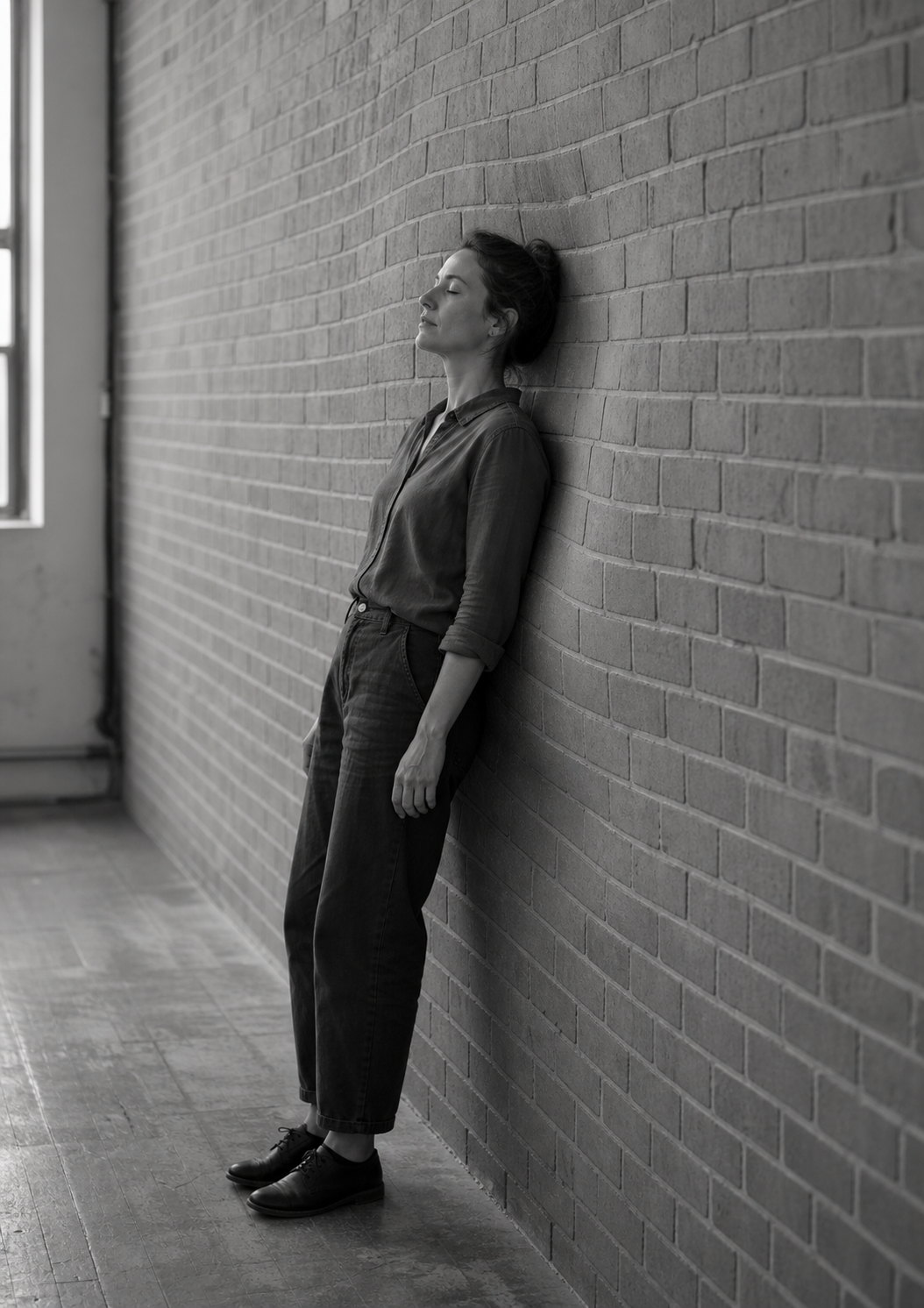
What changes is the discovery that the thing they value does not actually require their depletion to sustain it, and is often better served by the version of them that is not running on empty.
For an organisation, the useful shift is from catching burnout to noticing what precedes it: the quiet withdrawal, the flattening of engagement, the person working longer and calling it commitment. That is where the work is genuinely preventive, and it is only reachable if someone is present and trusted before the crisis, not introduced at the point of collapse.

This is honest about its limits. No support model can out-run a workplace that structurally requires people to burn out, and a practitioner who is honest will say so rather than absorb the problem quietly. But where the conditions are workable, the difference between a workforce that is merely enduring and one that is genuinely sustainable is large, and it is buildable.
Tell me where your provision sits.