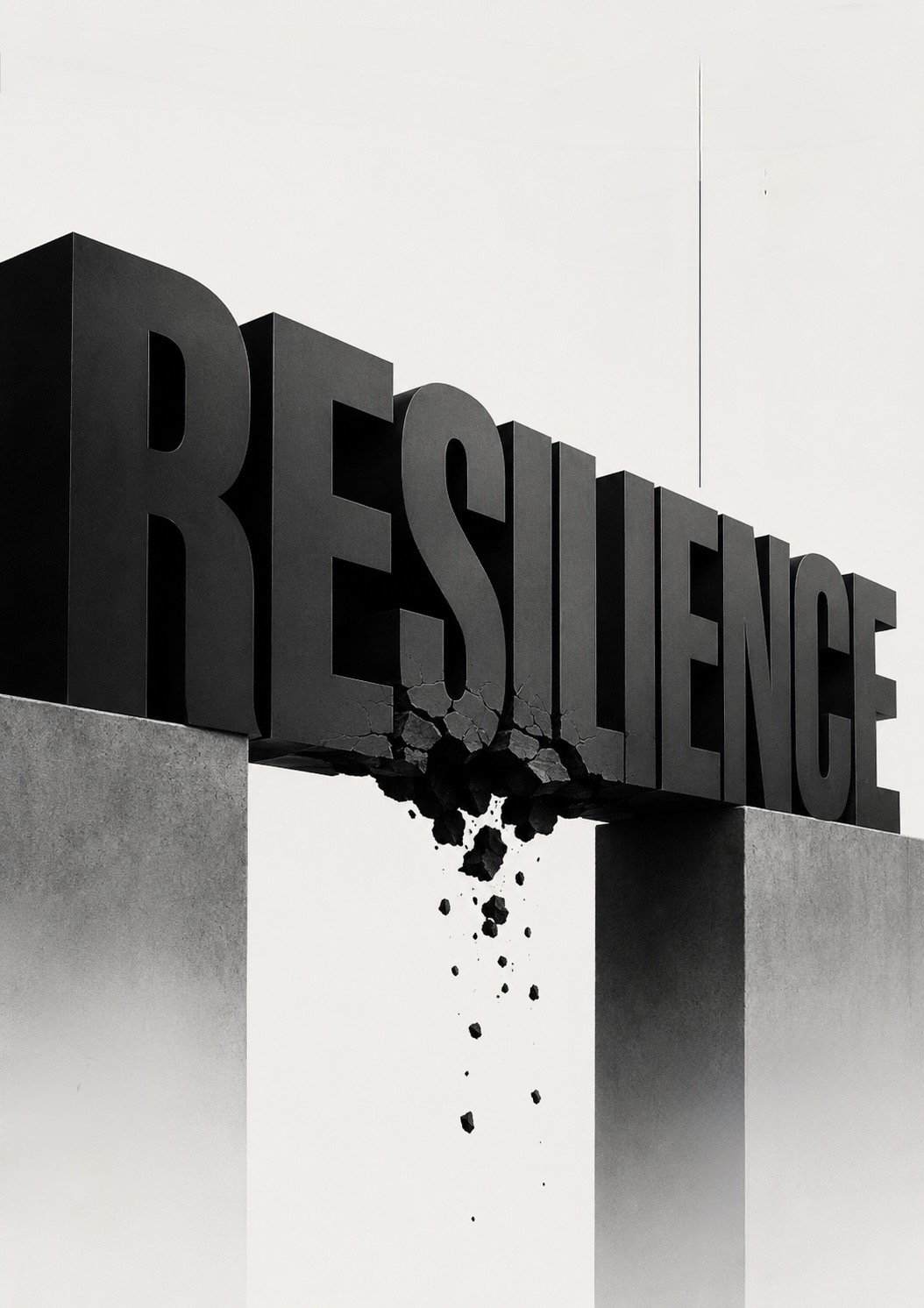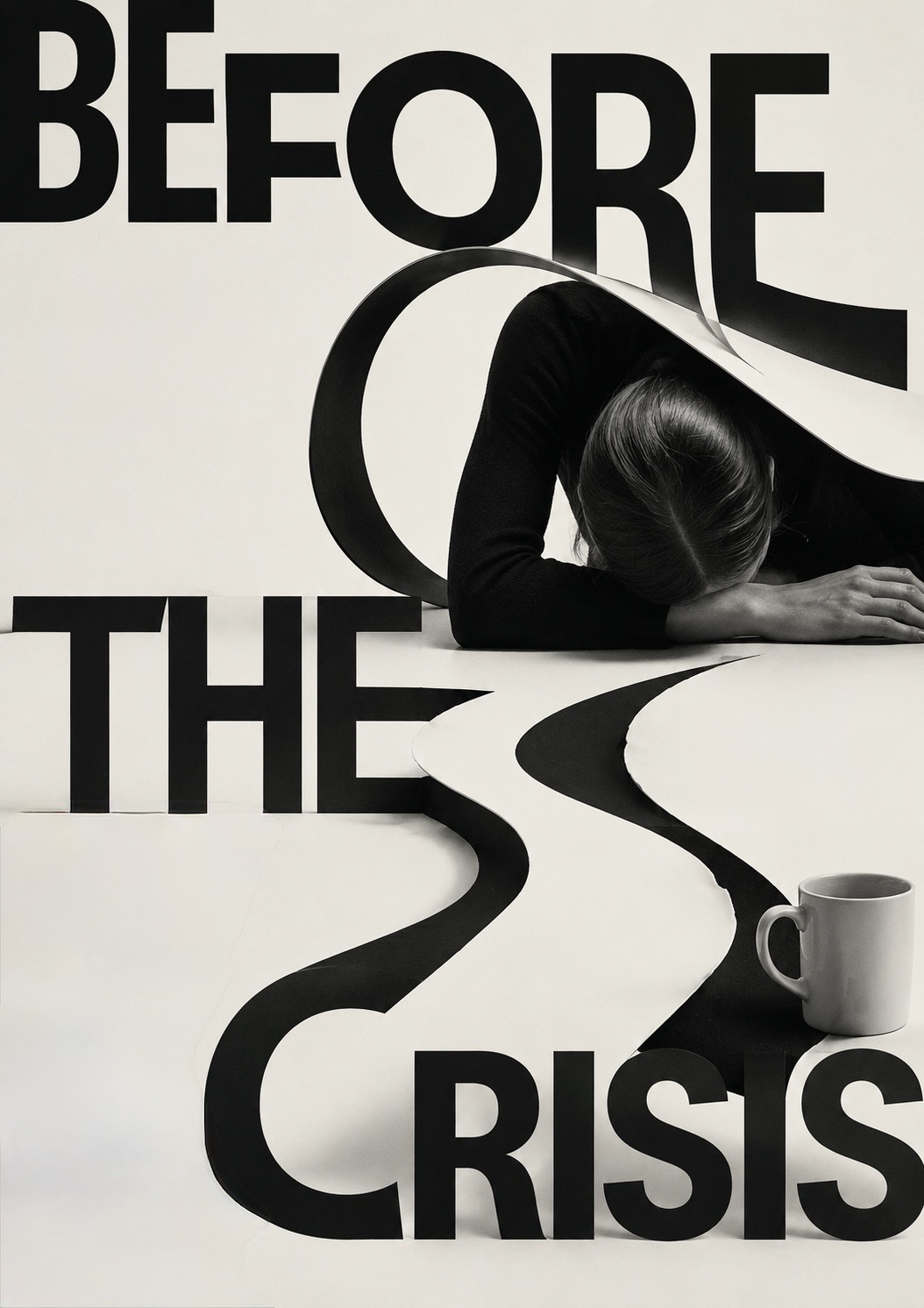

Most organisations meet burnout too late, because by the time it is visible it has already been happening for a long time. The person who finally goes off was, for months beforehand, still delivering. That is the confusing thing about it from the outside. Burnout is not ordinary tiredness that a holiday fixes. It is a deeper depletion — physical, emotional, motivational at once — and the people most prone to it are often the most committed ones, the ones whose sense of their own worth is quietly staked on never stopping.
That last part is what a standard wellbeing programme misses. It treats burnout as a workload problem, solvable with resilience training and a mental-health-awareness day. Sometimes workload is the whole of it. But often the pace is being driven by something the person cannot easily put down: a belief that their value depends on output, a fear of what they are without the doing. The rest doesn't take, because the thing driving the pace was never addressed.