Addiction rarely looks the way it is pictured.
Often the life is still standing. The work gets done, the people are looked after, and the thing itself, the drink, the substance, the habit, keeps a private life of its own, folded into the evenings and managed with rules. Not before six. Not on weeknights. Not again, after last time. The rules hold until they don't, and each time they don't there is a fresh round of promises, made quietly, to yourself.
Something you reached for began reaching for you.
And you know. That is the hardest part to say out loud, because saying it changes nothing: you have seen it clearly for a long time, you may have stopped before, and the knowing and the stopping have not been enough. On top of the thing itself sits the commentary, the voice that reads it as weakness, that says other people manage. So it stays private, and the privacy has become its own weight.
It helps to be honest about something the warnings never say: it works. Or it did.
The thing was never pointless. It quiets something, softens something, makes something bearable, gets you into the room or through the night. Whatever it manages was there before it was, and is usually still there underneath it. That is why willpower alone so rarely holds, and why the costs, however plainly you can list them, have not shifted it. Letting go means facing what it has been holding at bay, usually without knowing what will hold it instead.
Understood this way, the shame begins to loosen. Reaching for relief is what people do when something hurts and nothing else has answered. The difficulty is that this particular answer has been taking more than it gives, and the taking has grown.
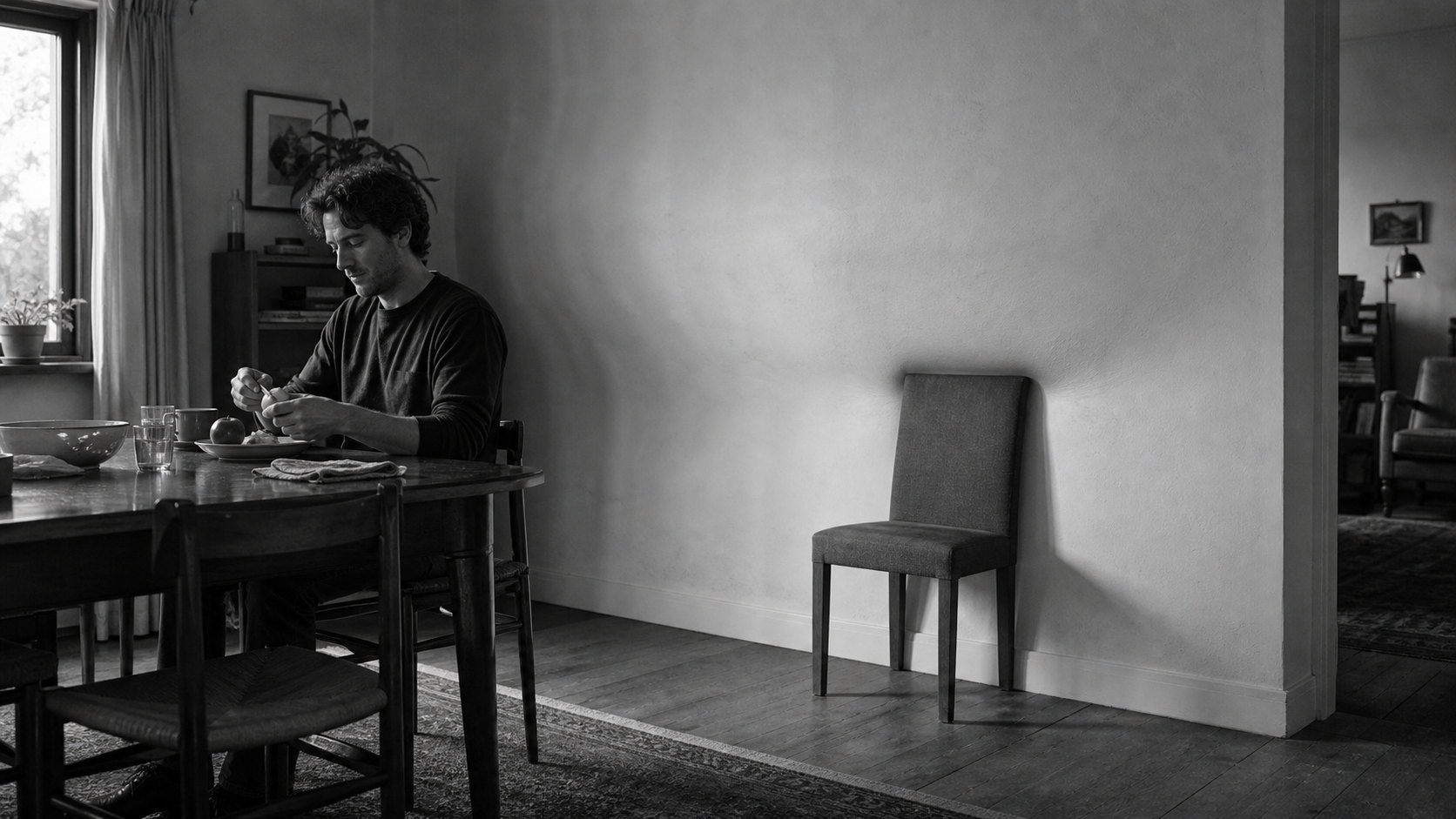
The work does not begin with a demand to stop.
You do not have to accept a label before you are met. The work begins with somewhere the whole arrangement can be looked at honestly: what it costs, and also what it does, because both are true and only one of them ever gets spoken.
This work draws on more than twenty years, much of it in residential mental health and addiction settings. The room is used to the whole of it, the rules, the relapses, the parts still working and the parts that stopped working long ago.
From that ground the work goes underneath, slowly, to what the thing has been managing, and toward building enough of your own ground that it is no longer the only answer. Change of this kind is rarely one clean stop, and it is not treated here as pass or fail. What the work offers is a changed relationship with the thing: the choices around it becoming yours again, and the weight of managing it alone set down.
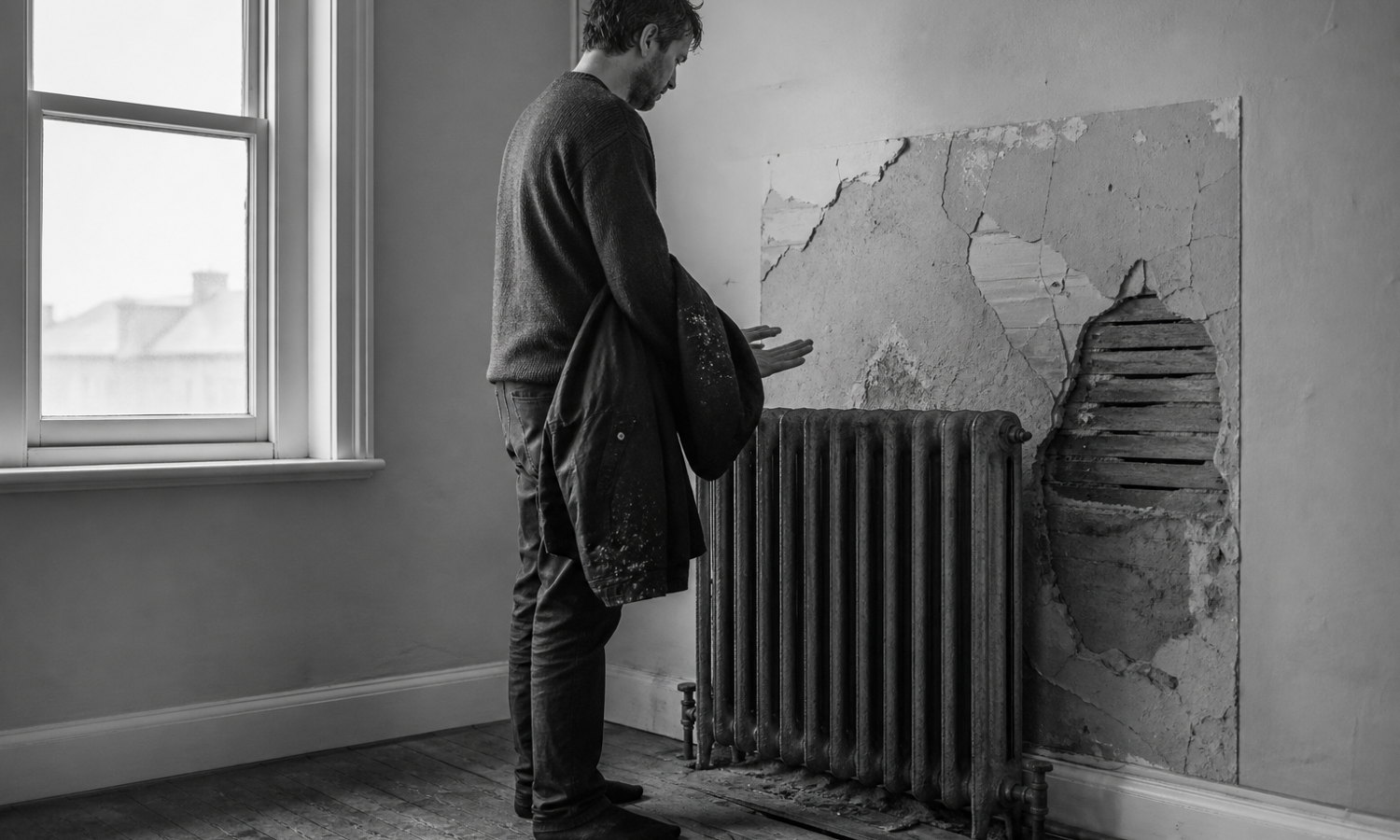

It does not have to be looked at alone.
If something you reach for has quietly begun to run more of your life than you meant it to, it does not have to be looked at alone. And looking is not the same as being made to stop.