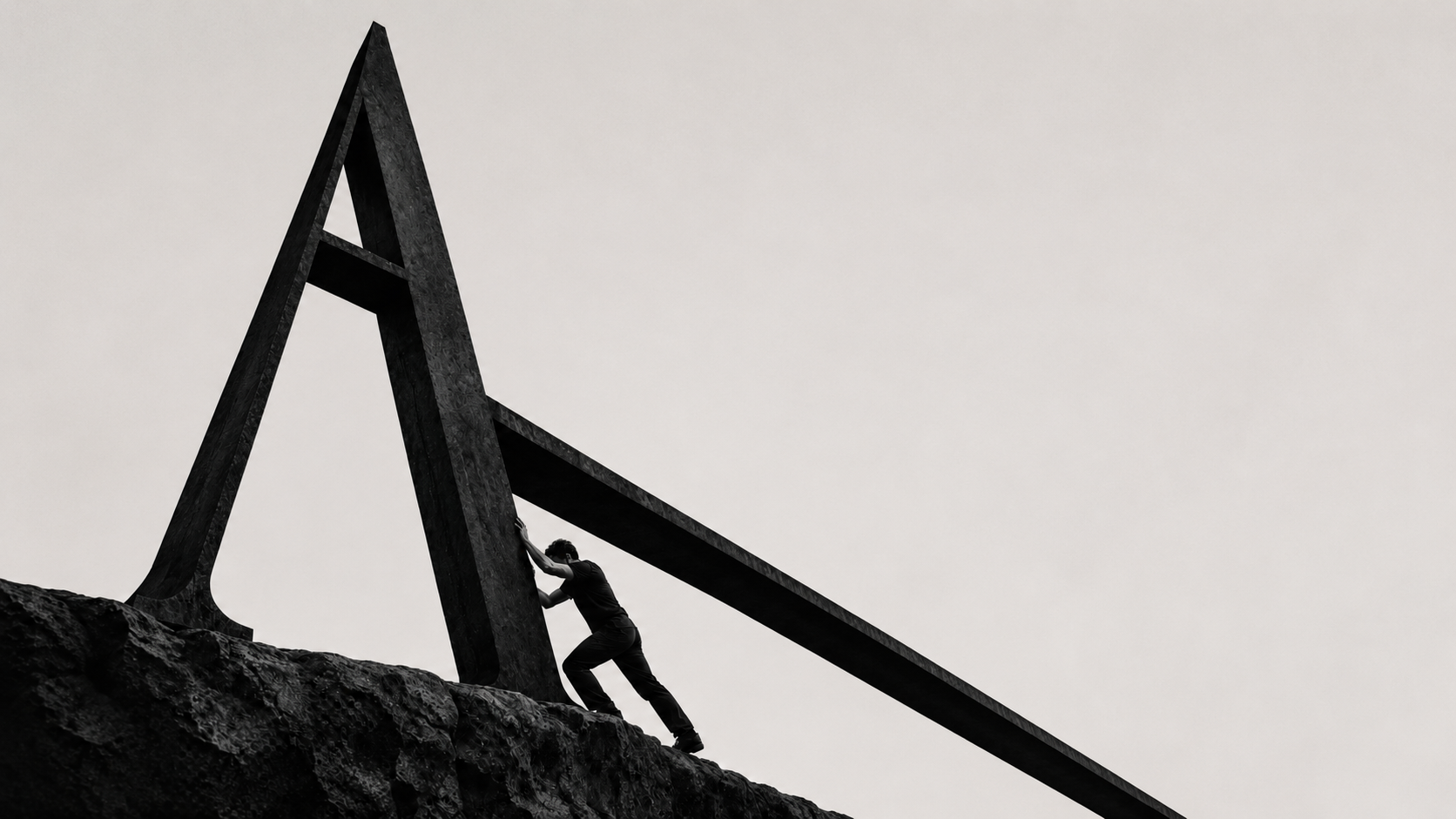
A lone figure straining to push a monumental serif letter ‘A’ upright on a rocky ledge against a pale sky.
How I can help

Low self-esteem — a doubt that doesn’t feel like doubt; it feels like accuracy.

Area 05 · Low self-esteem

A doubt that doesn’t feel like doubt. It feels like accuracy.

Nothing you achieve seems to reach it, and being told otherwise has never quite landed. There can be somewhere to look at where that verdict came from — without having to argue it true or false.

What it can feel like

It isn’t that you lack confidence.
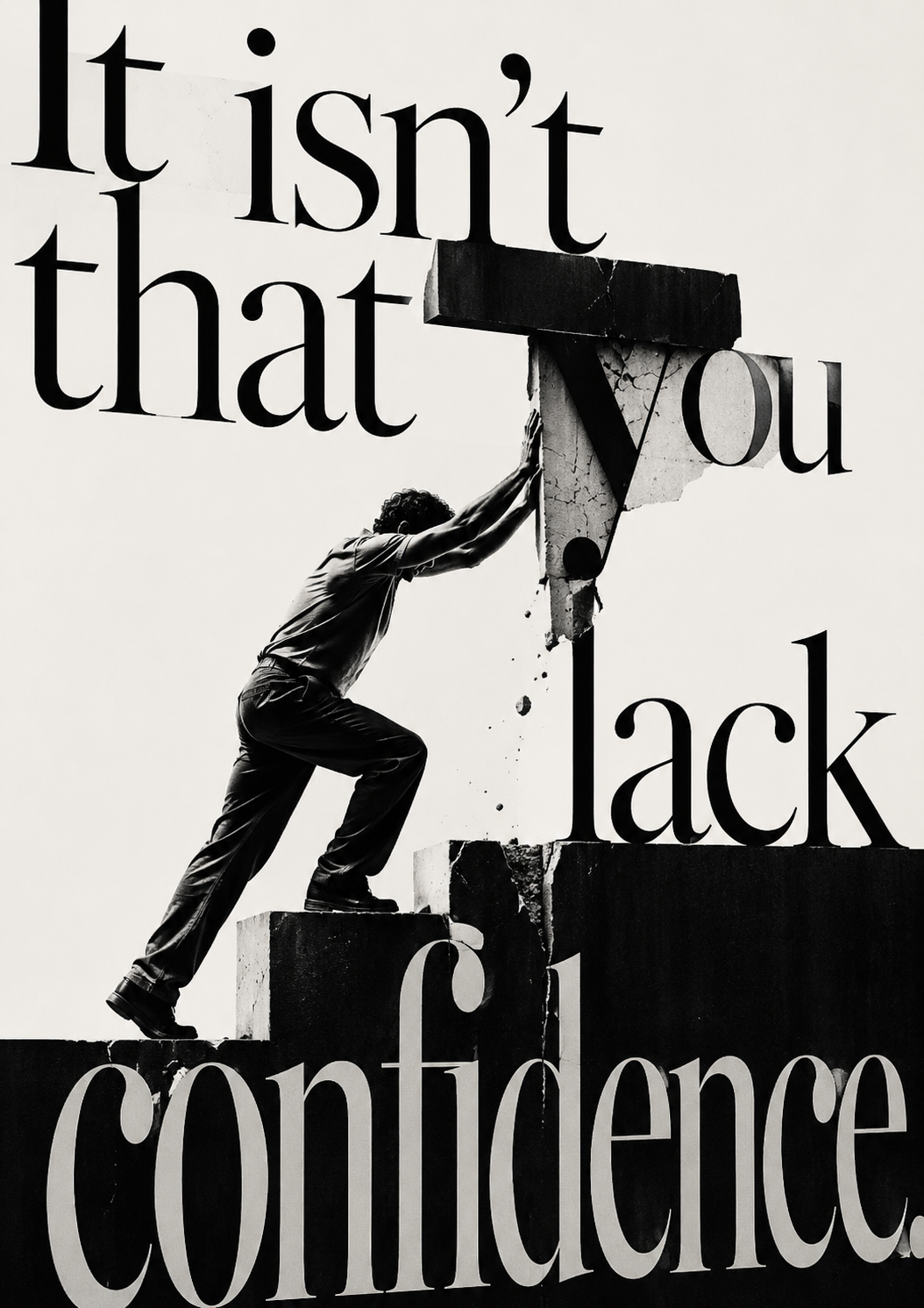
A figure straining to hold up a heavy cracked block within the giant words ‘It isn’t that you lack confidence.’

This isn’t low confidence in the usual sense. Many people who doubt their worth are visibly capable — often the most capable in the room, the one others lean on. The competence is real. It simply never counts toward the verdict.

The good evidence can’t reach the place where the judgement is kept.
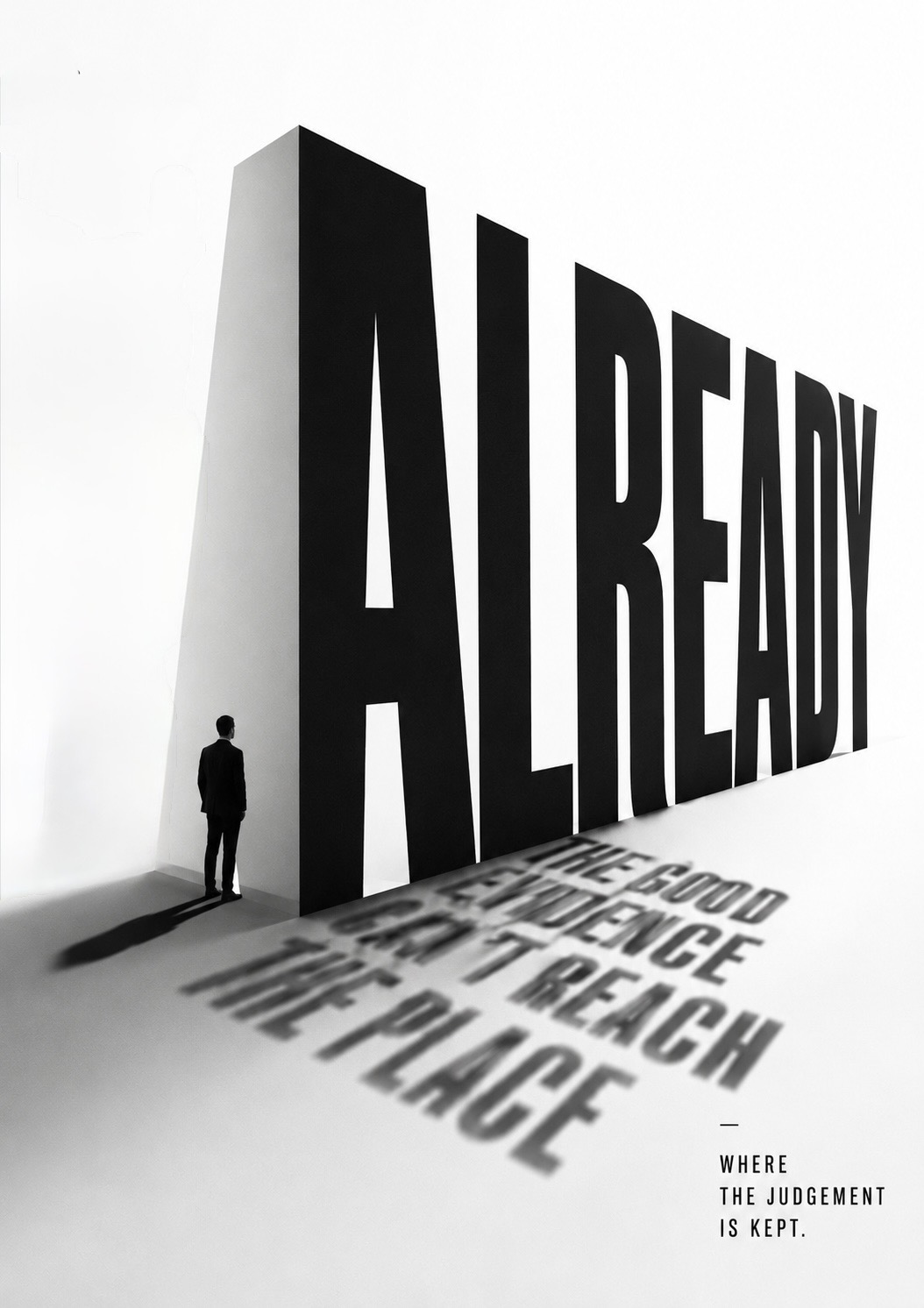
A lone figure stands before the monumental word ‘ALREADY’, its shadow spelling ‘the good evidence can’t reach the place’ across the floor, beside the line ‘where the judgement is kept’ — praise that drains away before it lands.

Praise lands and drains away by morning. Achievement resets the bar rather than clearing it. The good evidence can’t reach the place where the judgement is kept — already certain, already reached before the evidence arrives.

The watching doesn’t stop.
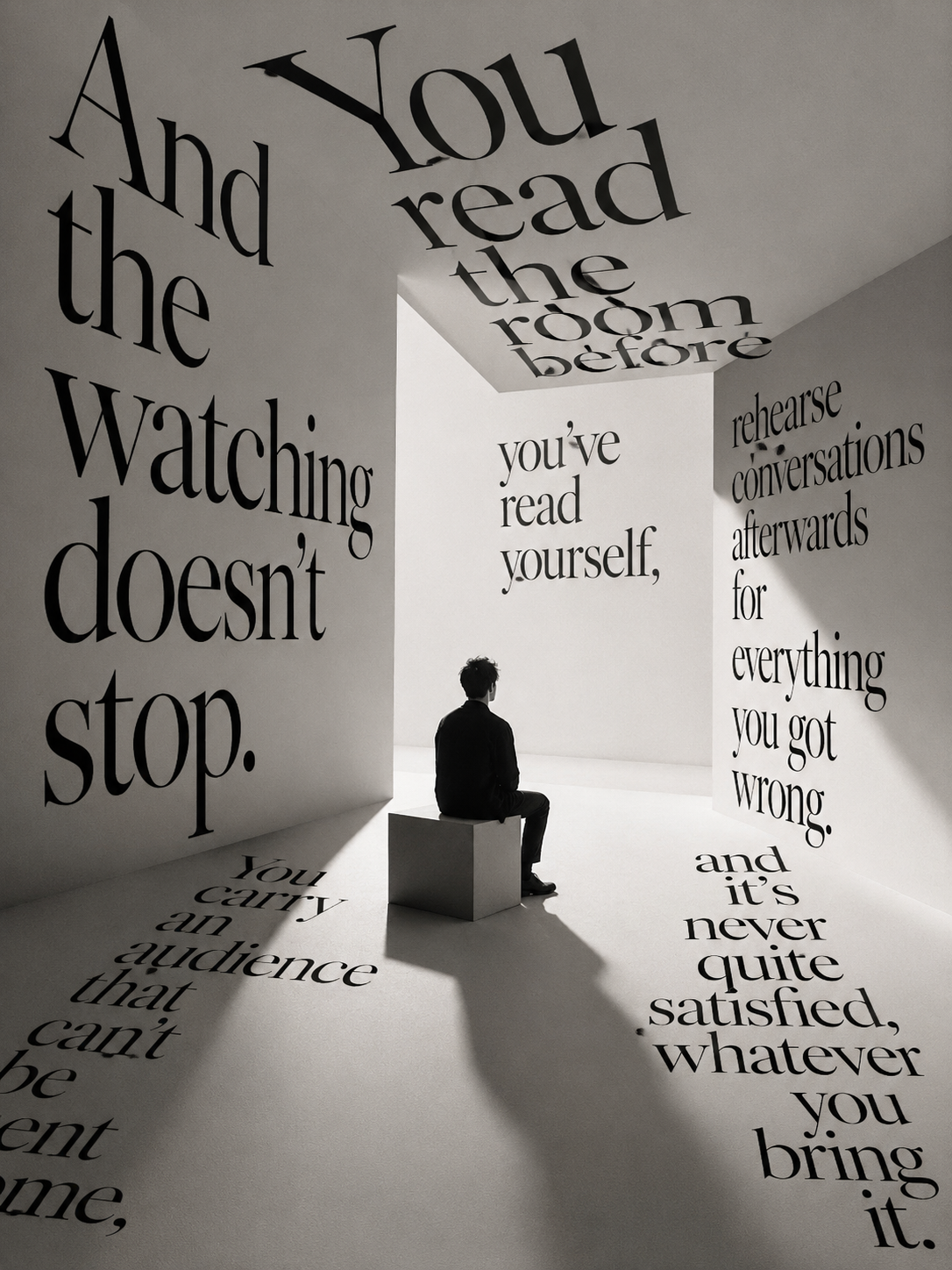
A lone figure sits on a plinth in a bright room whose walls and floor are covered in monumental type reading ‘And the watching doesn’t stop — you read the room before you’ve read yourself, rehearse conversations afterwards for everything you got wrong; you carry an audience that can’t be sent home’.

And the watching doesn’t stop. You read the room before you’ve read yourself, rehearse conversations afterwards for everything you got wrong. You carry an audience that can’t be sent home, and it’s never quite satisfied, whatever you bring it.
Area 05 · Low self-esteem

Common experiences

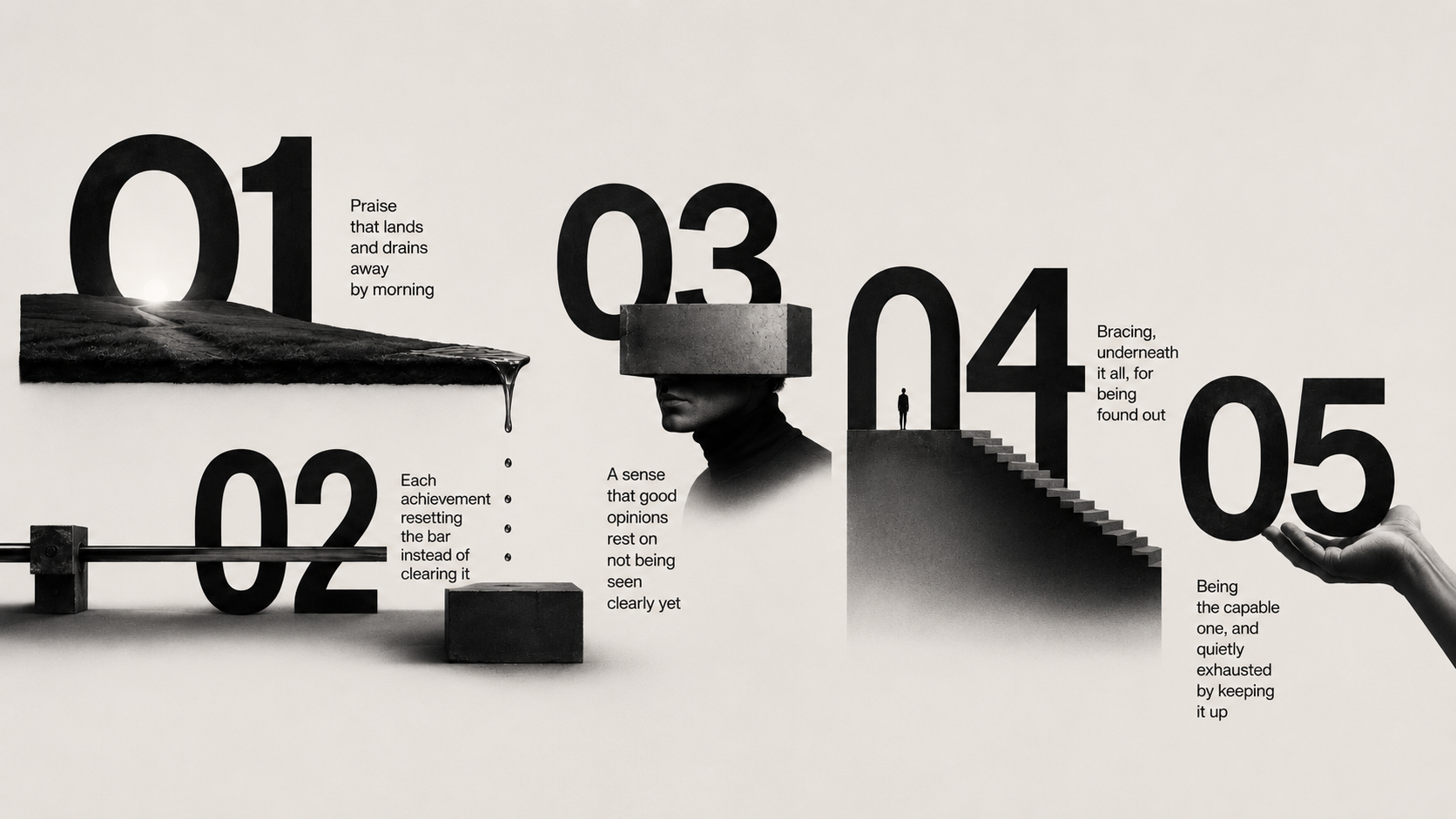
Five common experiences of low self-worth, numbered 01–05: praise that lands and drains away by morning; each achievement resetting the bar instead of clearing it; a sense that good opinions rest on not being seen clearly yet; bracing, underneath it all, for being found out; being the capable one, and quietly exhausted by keeping it up.

Few people arrive with all of these. Most recognise one or two — and find the others underneath as the work goes on.
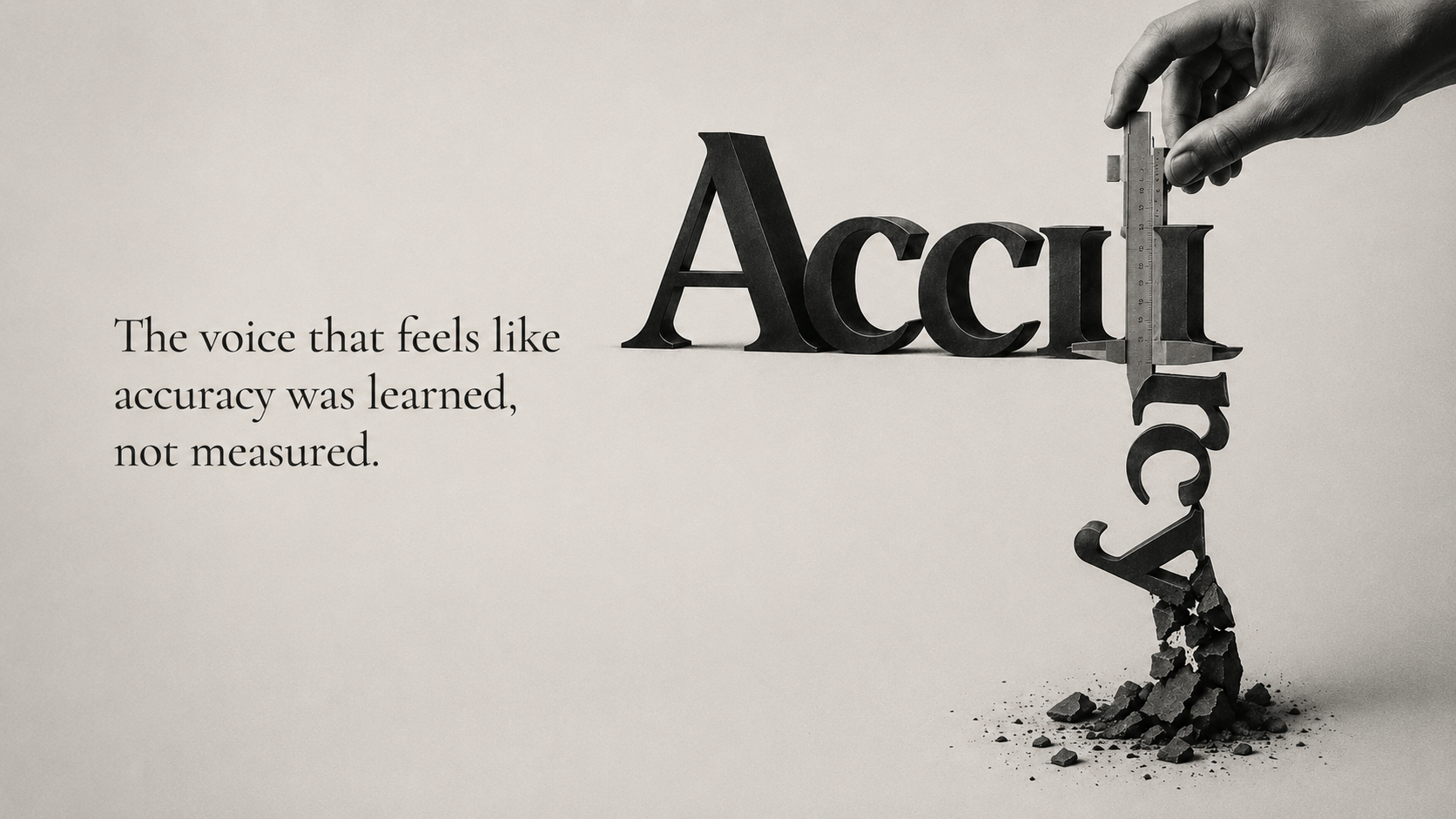
A caliper crumbling the word ‘Accuracy’ as it measures it, beside the line ‘The voice that feels like accuracy was learned, not measured.’
Where it comes from

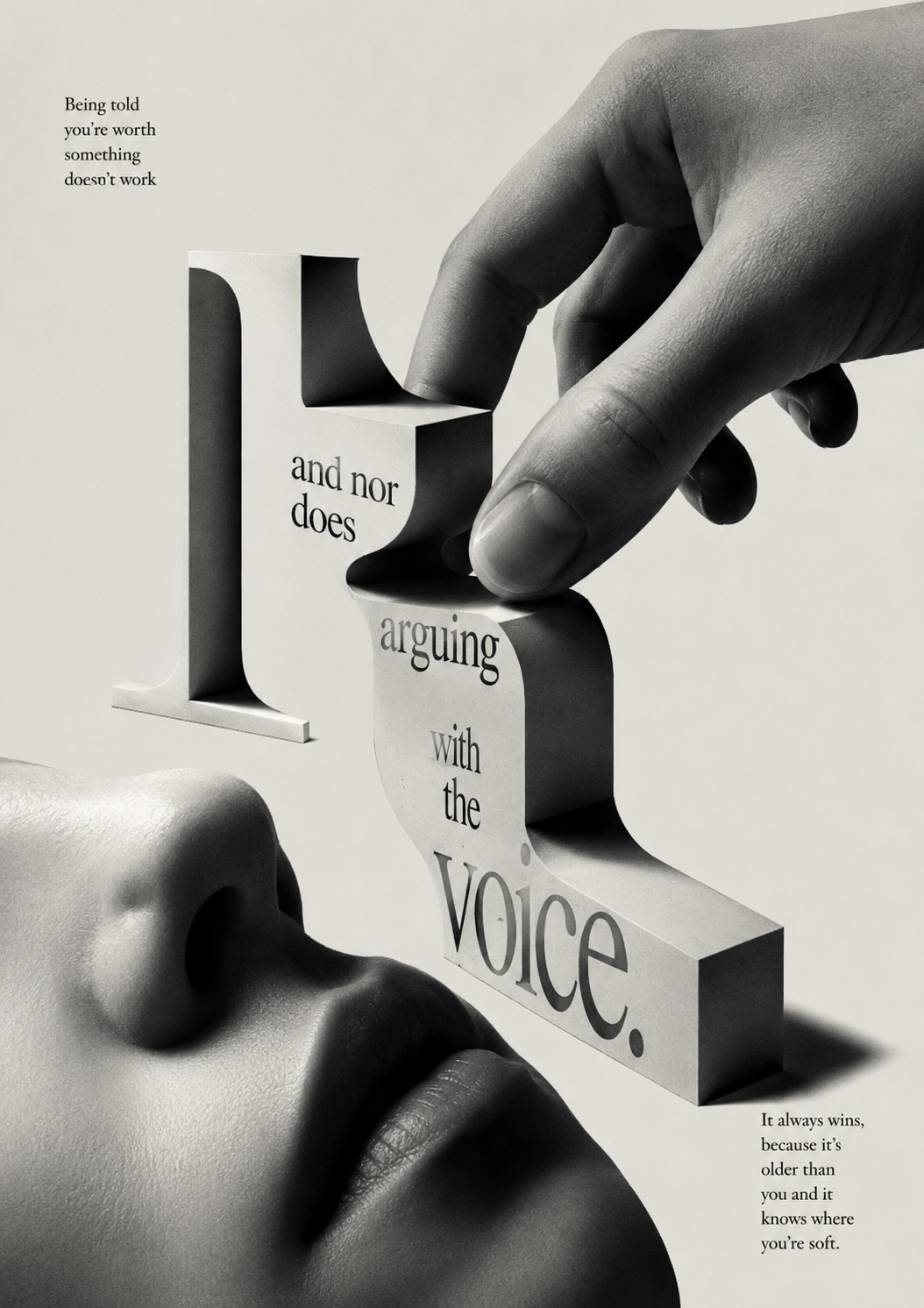
Arguing with the voice doesn’t work. It always wins.

A giant hand peels a curling ribbon of type reading ‘and nor does arguing with the VOICE’ away from a serif letter, above a face turned upward — the inner voice that always wins because it knows where you’re soft.

Being told you’re worth something doesn’t work — you’ve probably noticed — and nor does arguing with the voice. It always wins, because it’s older than you and it knows where you’re soft.

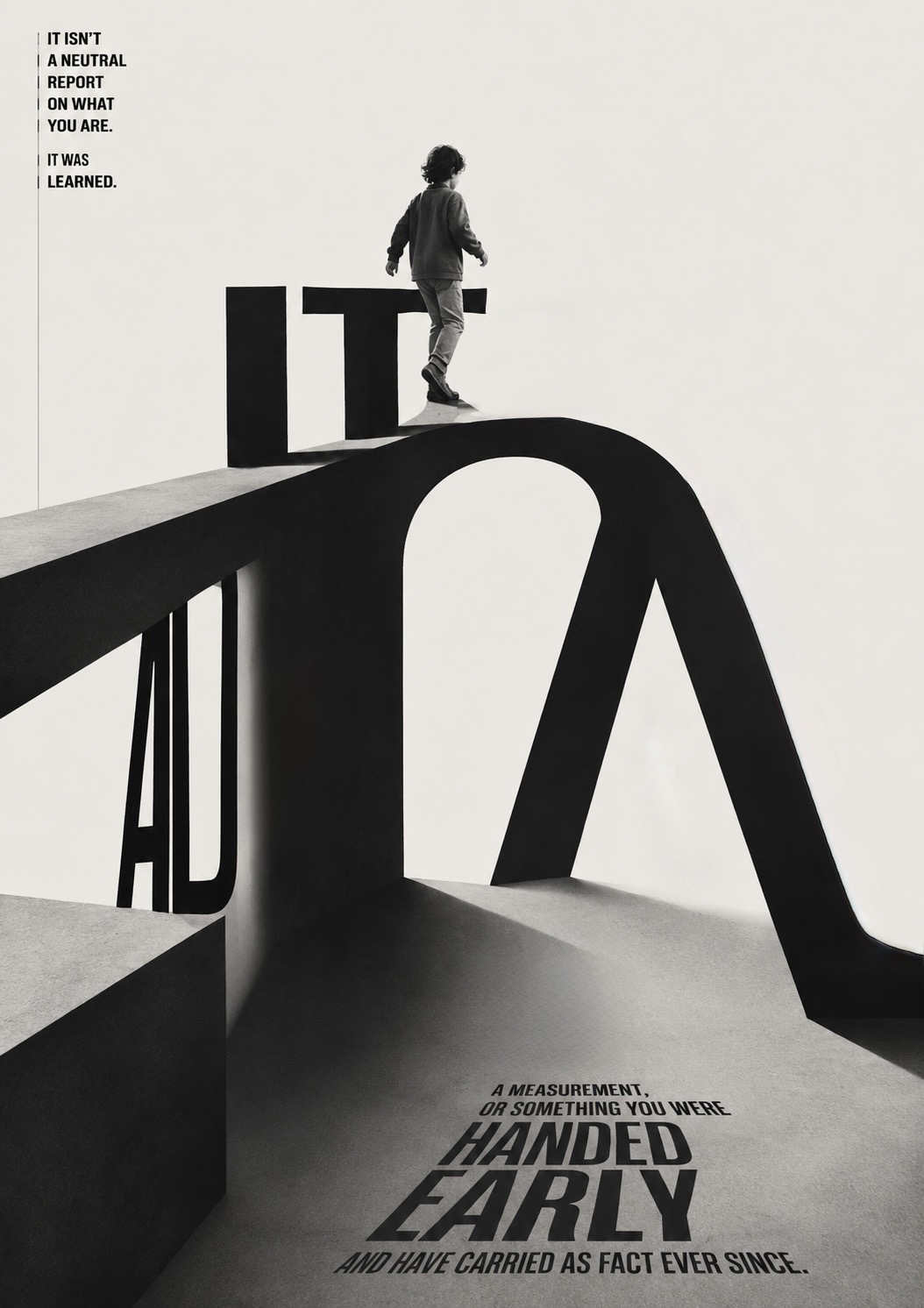
It isn’t a neutral report. It was learned.

A child walks along the top of the monumental word ‘IT’ set into an impossible looping structure, with ‘it isn’t a neutral report on what you are — it was learned’ above and ‘a measurement, or something you were HANDED EARLY and have carried as fact ever since’ across the floor.

It isn’t a neutral report on what you are. It was learned. Somewhere it made sense to conclude you were the problem — safer to, or simply absorbed from how you were treated — and a child who reaches that isn’t weak; they’re adapting to what’s in front of them. It has gone on feeling like the truth long after the conditions that formed it are gone. So the question worth opening isn’t whether it’s accurate, but what kind of thing it is: a measurement, or something you were handed early and have carried as fact ever since.

How therapy helps

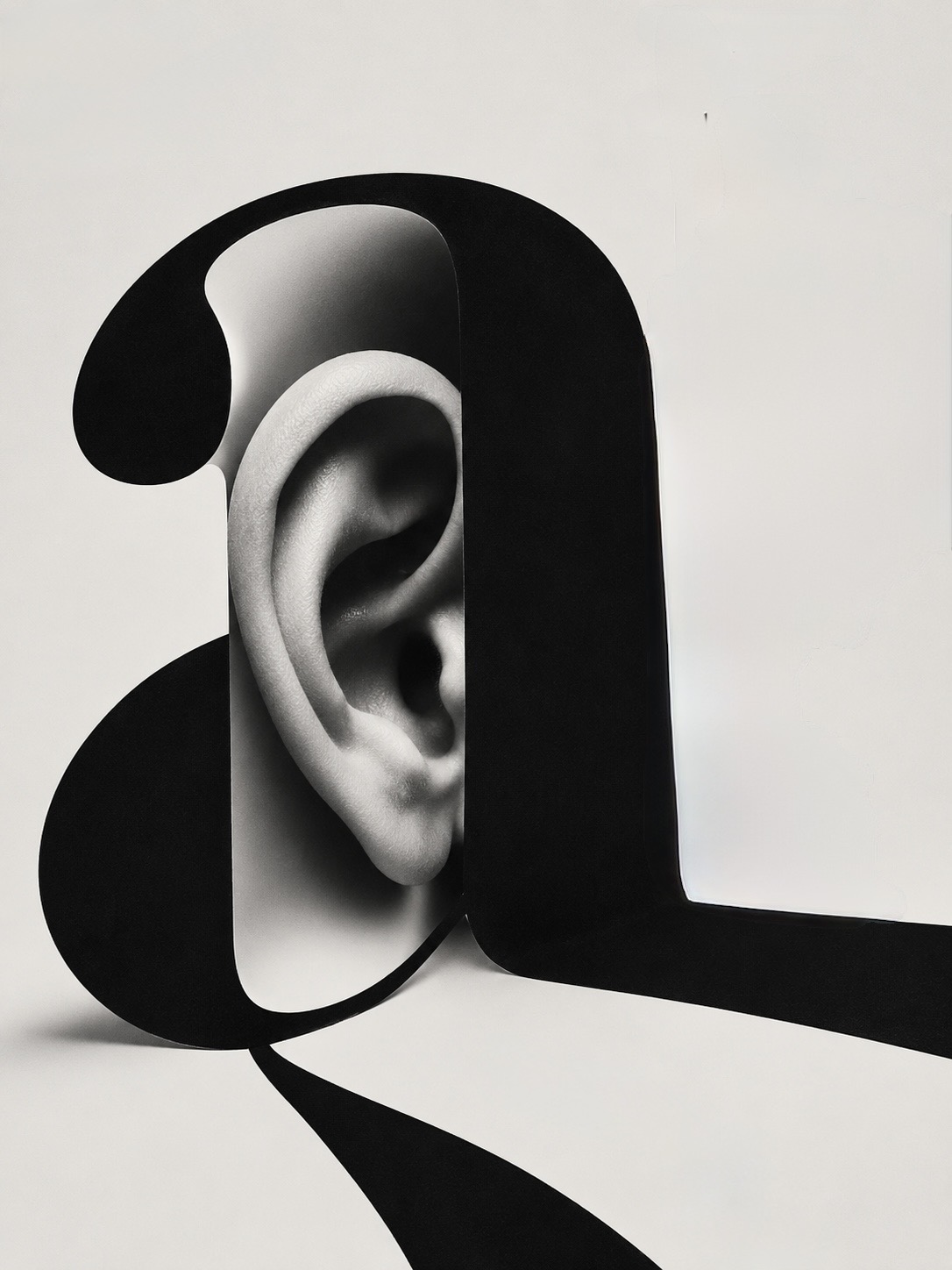
Toward the voice itself — hearing it as a voice, not the last word.

A human ear nested inside the aperture of a monumental serif letter ‘a’ — turning toward the voice itself and hearing it as a voice rather than the last word.

The work here isn’t persuasion, and it isn’t a campaign to talk you into a better opinion of yourself. It goes the other way — toward the voice itself: where it came from, what it was for, and what it is like to hear it as a voice rather than the last word.

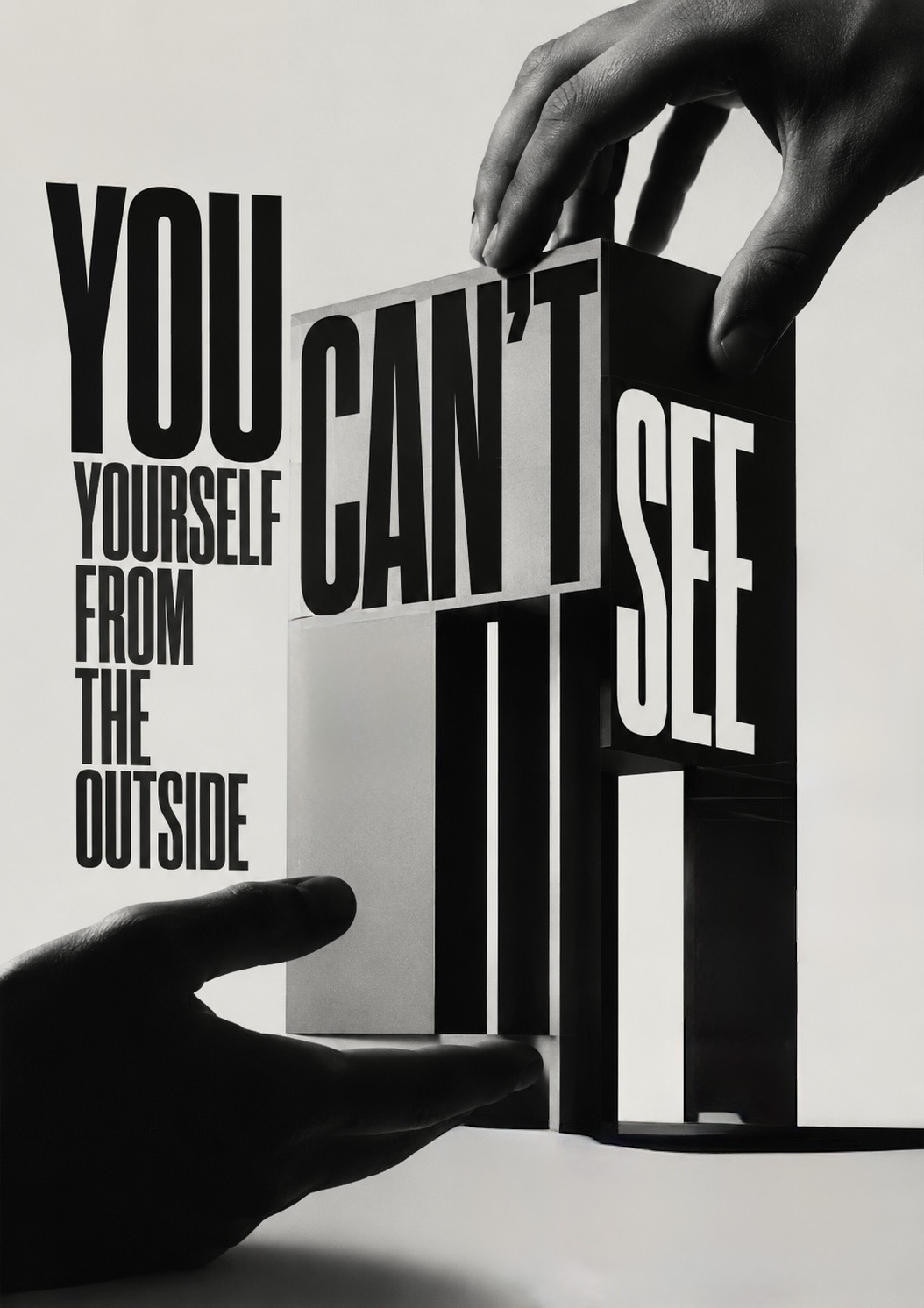
You can’t see yourself from the outside.

Two hands turn a monumental sculptural block spelling ‘YOU CAN’T SEE’, beside the words ‘you can’t see yourself from the outside’ — the picture that can only be corrected by being seen clearly by someone else.

Part of why the verdict holds so long is that you can’t see yourself from the outside — no one can; the picture was assembled early, from how you were met, and some of it can only be corrected by being seen clearly by someone else now. So this is somewhere to bring the verdict and set it down — not to have it confirmed, not to have it argued with. You can say the harshest thing you believe about yourself out loud — the thing that usually stays unsaid, because saying it might make it true — and have it met steadily rather than rushed to correct.

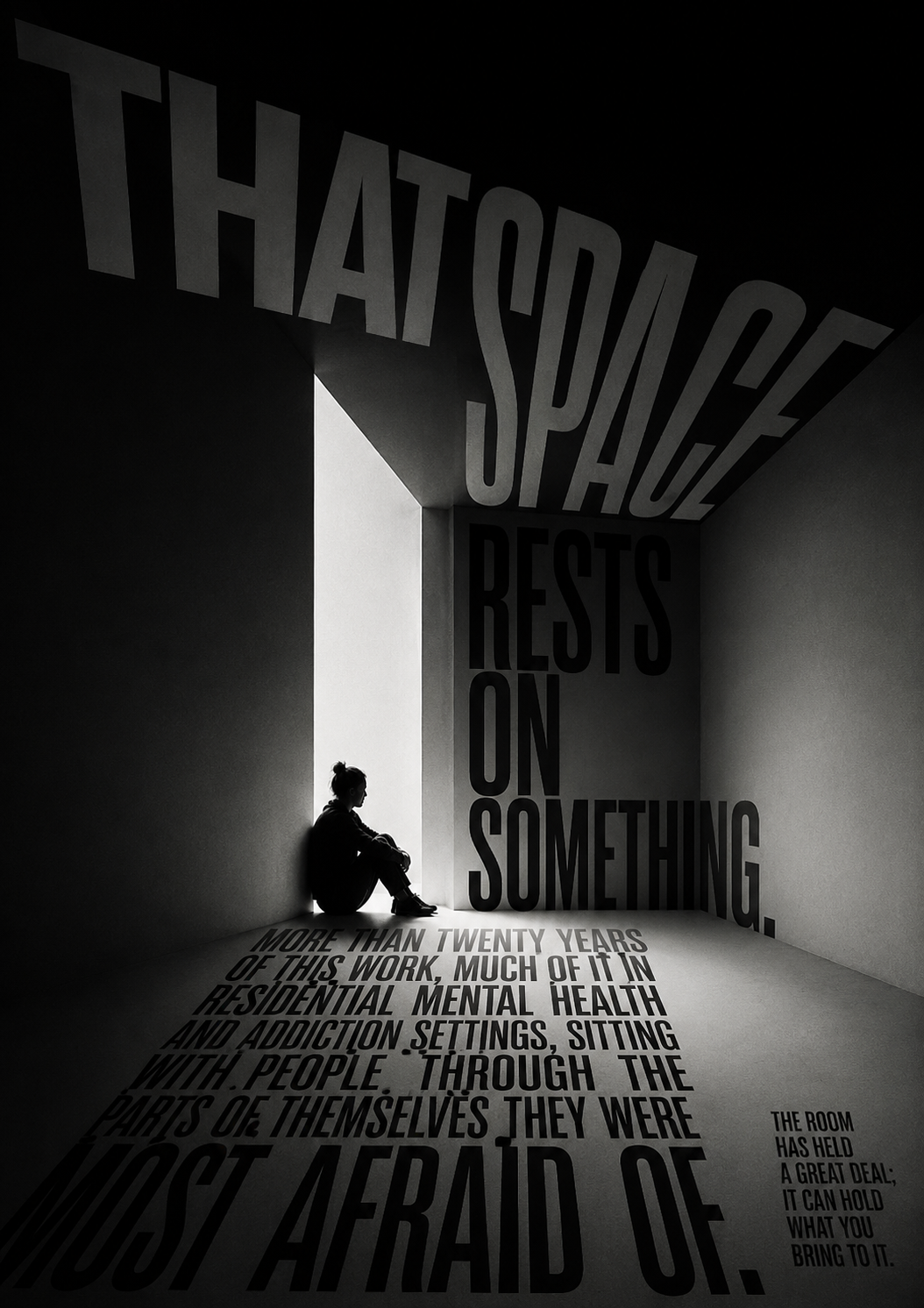
That space rests on something.

A lone figure sits in a doorway of light within a dark room built from the monumental words ‘THAT SPACE rests on something’, with ‘more than twenty years of this work — the room has held a great deal; it can hold what you bring to it’ across the floor.

That space rests on something. More than twenty years of this work, much of it in residential mental health and addiction settings, sitting with people through the parts of themselves they were most afraid of. The room has held a great deal; it can hold what you bring to it.

If this feels familiar

It doesn’t have to be carried alone.

A verdict this old rarely lifts because someone finally convinces you otherwise — you’ve likely been told kind things that never landed. It’s slower than that. People do come to hold themselves more steadily, and to catch the moment the old verdict speaks and recognise it as a voice rather than a fact. That recognition is where it begins — and it doesn’t have to be reached alone.

117 Harley Street, London W1G 6AT
Norwich NR2 · Online via Microsoft Teams
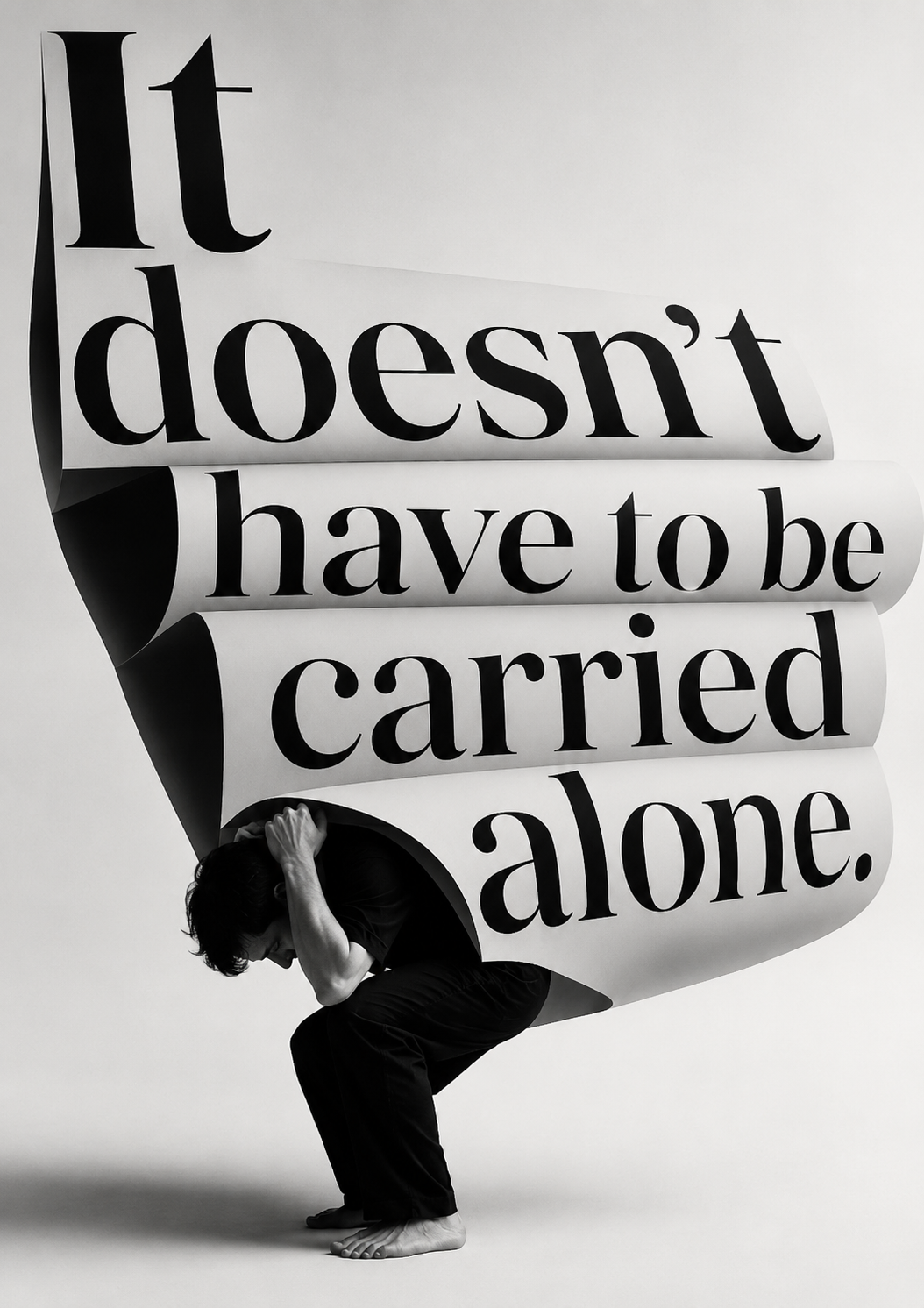
A crouching figure bearing a huge curling sheet that reads ‘It doesn’t have to be carried alone.’