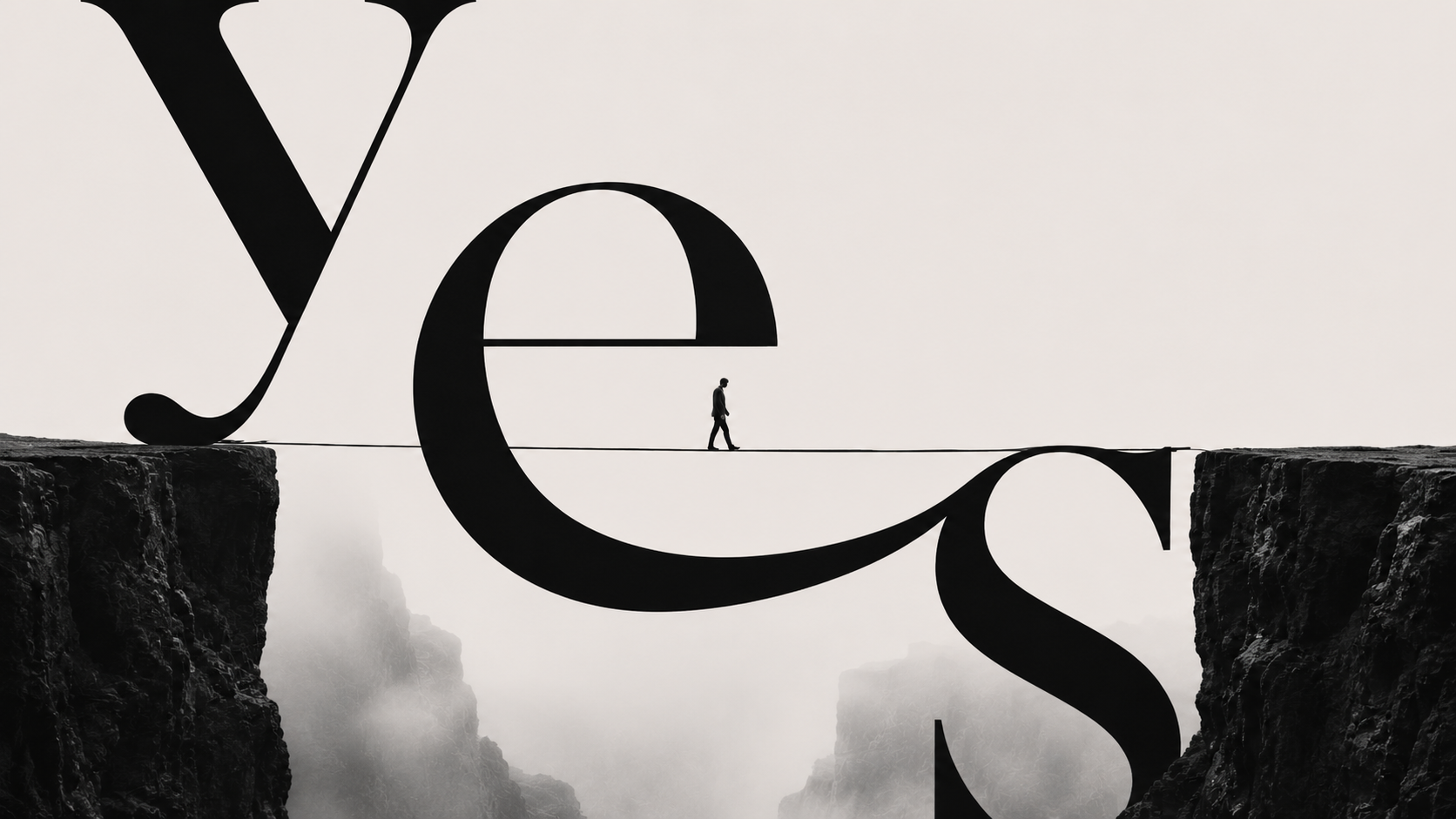
A giant serif word ‘YES’ spanning a chasm as a tightrope, with a small figure walking across it.
How I can help

Boundaries — you know exactly where the line is, and hear yourself saying yes anyway.

Area 03 · Boundaries

You know exactly where the line is. You hear yourself saying yes anyway.

Knowing where your limits are has never been the hard part. There can be somewhere to look at why holding them costs so much — and what that cost is really about.

What it can feel like
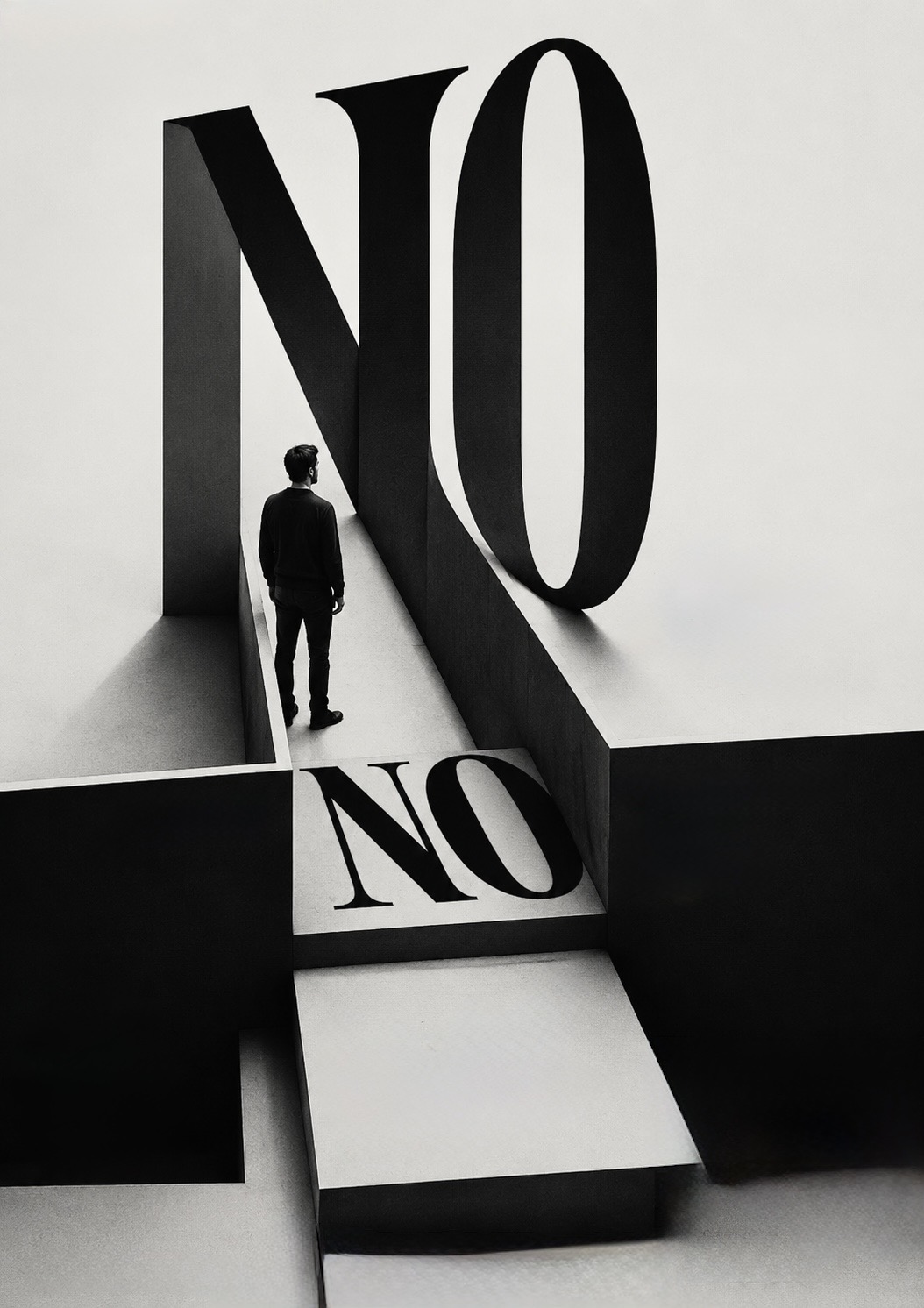
The word “no” arrives, and is overtaken almost instantly.

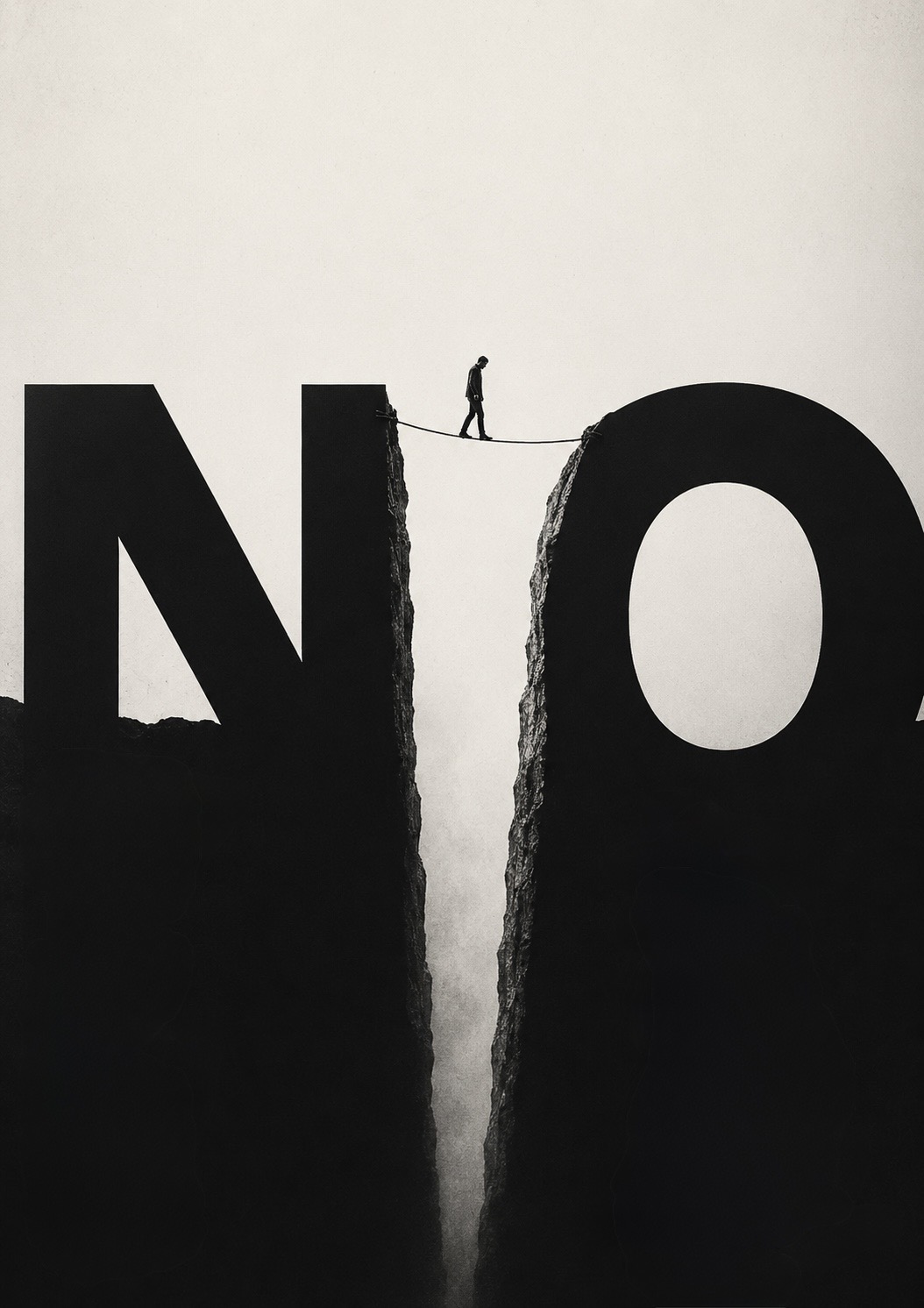
A lone figure walks along a narrow raised path between monumental letters spelling ‘NO’, another ‘NO’ set into the floor below — the word arriving and being overtaken.

The difficulty with boundaries is rarely that you don’t know where they should be. It’s that holding them costs something that feels unbearable. The word “no” arrives in your mind and is overtaken, almost instantly — by the discomfort of disappointing someone, the sense of responsibility for how they’ll feel, the conviction that your needs are the negotiable ones.

You say yes when you mean no.
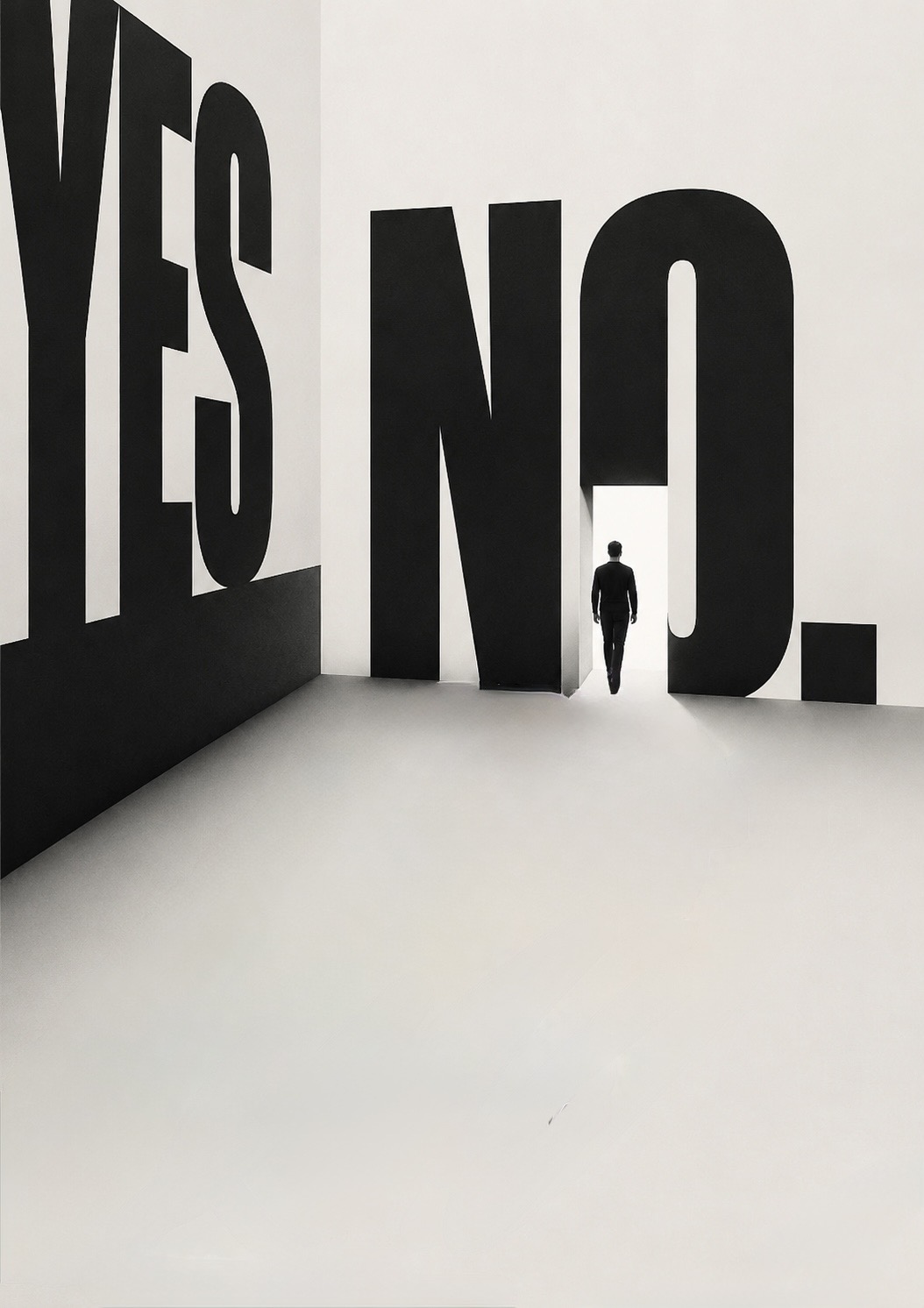
A lone figure walks away through a doorway cut into the monumental word ‘NO.’, leaving a towering ‘YES’ behind on the wall — saying yes when you mean no.

So you say yes when you mean no. You take on what was never yours to carry. You manage everyone else’s experience and call it being considerate — and only later, alone, feel the resentment or the depletion that tells you a line was crossed. Your own.
Area 03 · Boundaries

Common experiences

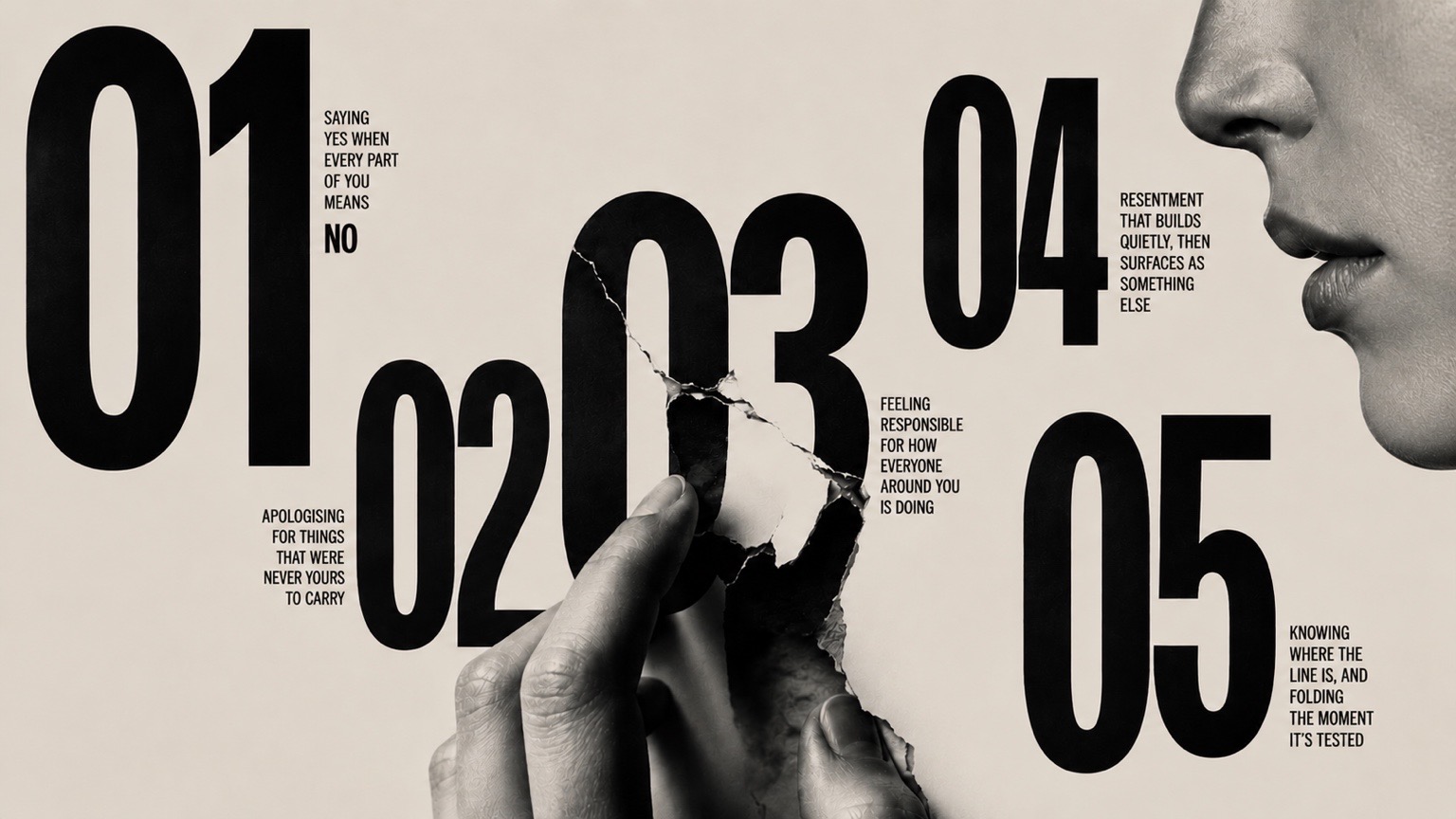
Five common experiences of difficulty with boundaries, numbered 01–05: saying yes when every part of you means no; apologising for things that were never yours to carry; feeling responsible for how everyone around you is doing; resentment that builds quietly, then surfaces as something else; knowing where the line is, and folding the moment it’s tested.

Few people arrive with all of these. Most recognise one or two — and find the others underneath as the work goes on.
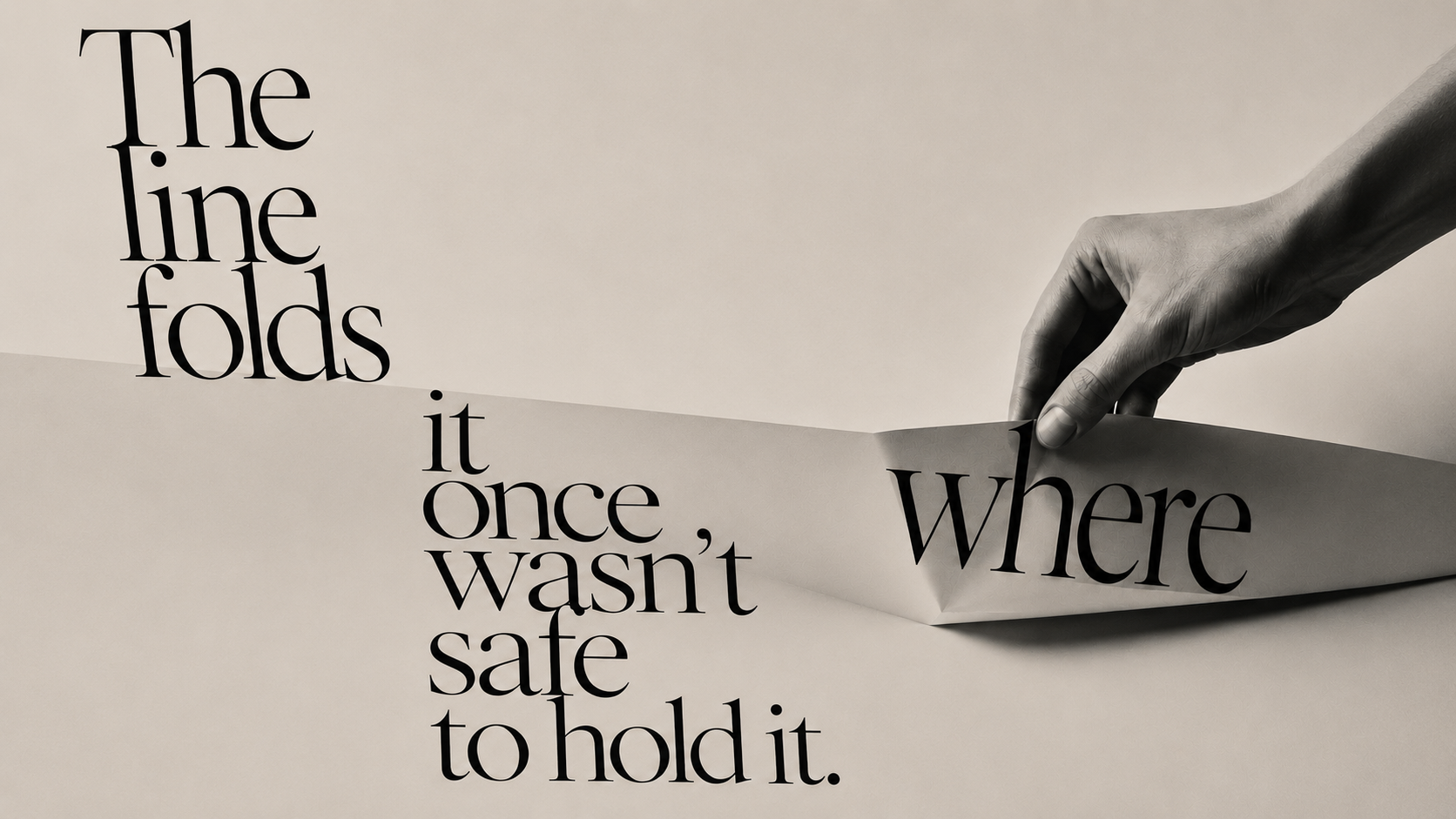
A hand folding back a sheet of paper, the crease falling between the words ‘The line folds’ and ‘where it once wasn’t safe to hold it.’
Where it comes from

Somewhere you learned that your worth was tied to your usefulness.

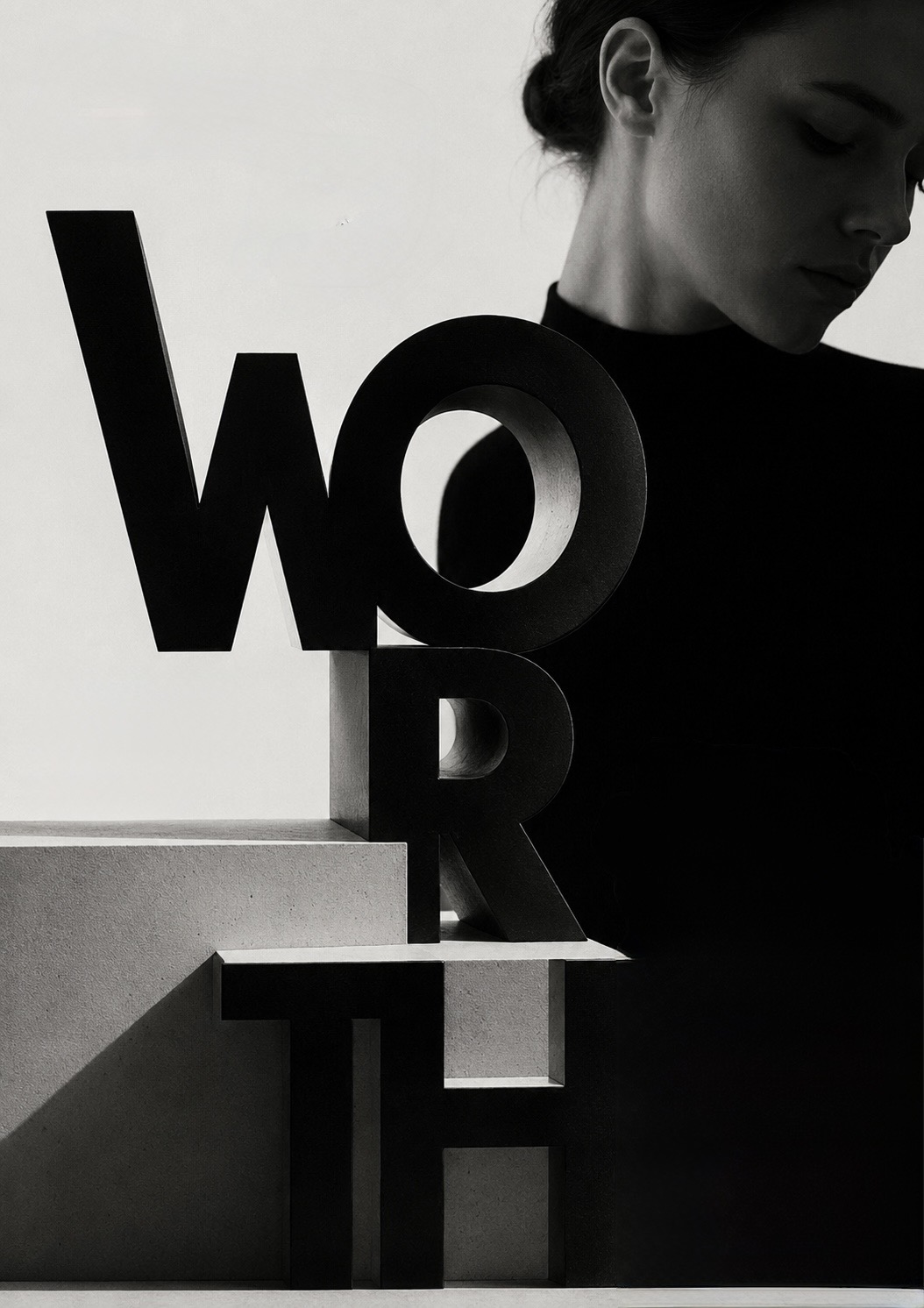
A woman looking quietly downward beside the monumental word ‘WORTH’ stacked in tumbling, unstable letters — worth tied to usefulness.

It’s worth seeing clearly what’s happening here, because it isn’t weakness and it isn’t a lack of assertiveness. Somewhere you learned that your worth was tied to your usefulness — that keeping others comfortable was how you kept yourself safe, that having needs was a risk and not having them the cleverer strategy. A person who learned that was adapting to something real. The difficulty now is that the adaptation has outlived the situation that required it.

Which is why “just say no” is such useless advice.

A tiny figure edges along a rope strung across the chasm between the monumental letters of the word ‘NO’ — the boundary that is far harder to cross than the words suggest.

Which is why “just say no” is such useless advice. The problem was never the words. It’s the wave of discomfort that comes when you imagine using them — the guilt, the anticipated withdrawal of approval, the old certainty that holding a line will cost you the relationship. Until that’s met, the boundary collapses every time, however clearly you can see where it should have been.

How therapy helps

Underneath the line, to what holding it feels like it will cost.

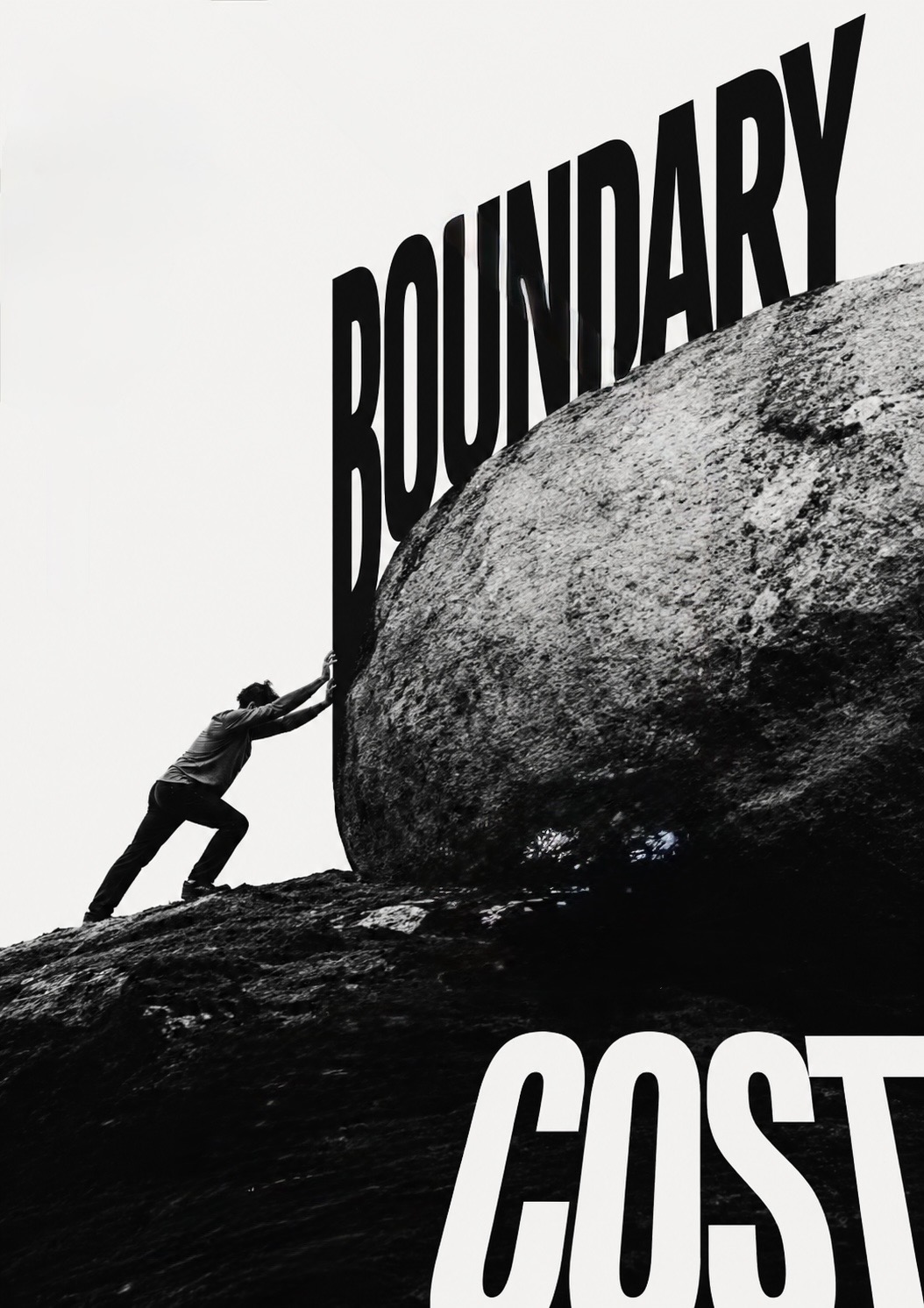
A figure straining to push a huge boulder up a slope beneath the monumental word ‘BOUNDARY’, with ‘COST’ rising at the foot of the hill — the weight of holding a line.

The work is to look at what the boundary is protecting against, and to build enough internal ground that holding one no longer feels like risking everything. That isn’t assertiveness training. It’s something slower, and it goes the other way — underneath the line, to what holding it feels like it will cost, and where that cost was first learned.

Somewhere to bring the wave itself, and slow it down enough to look at.

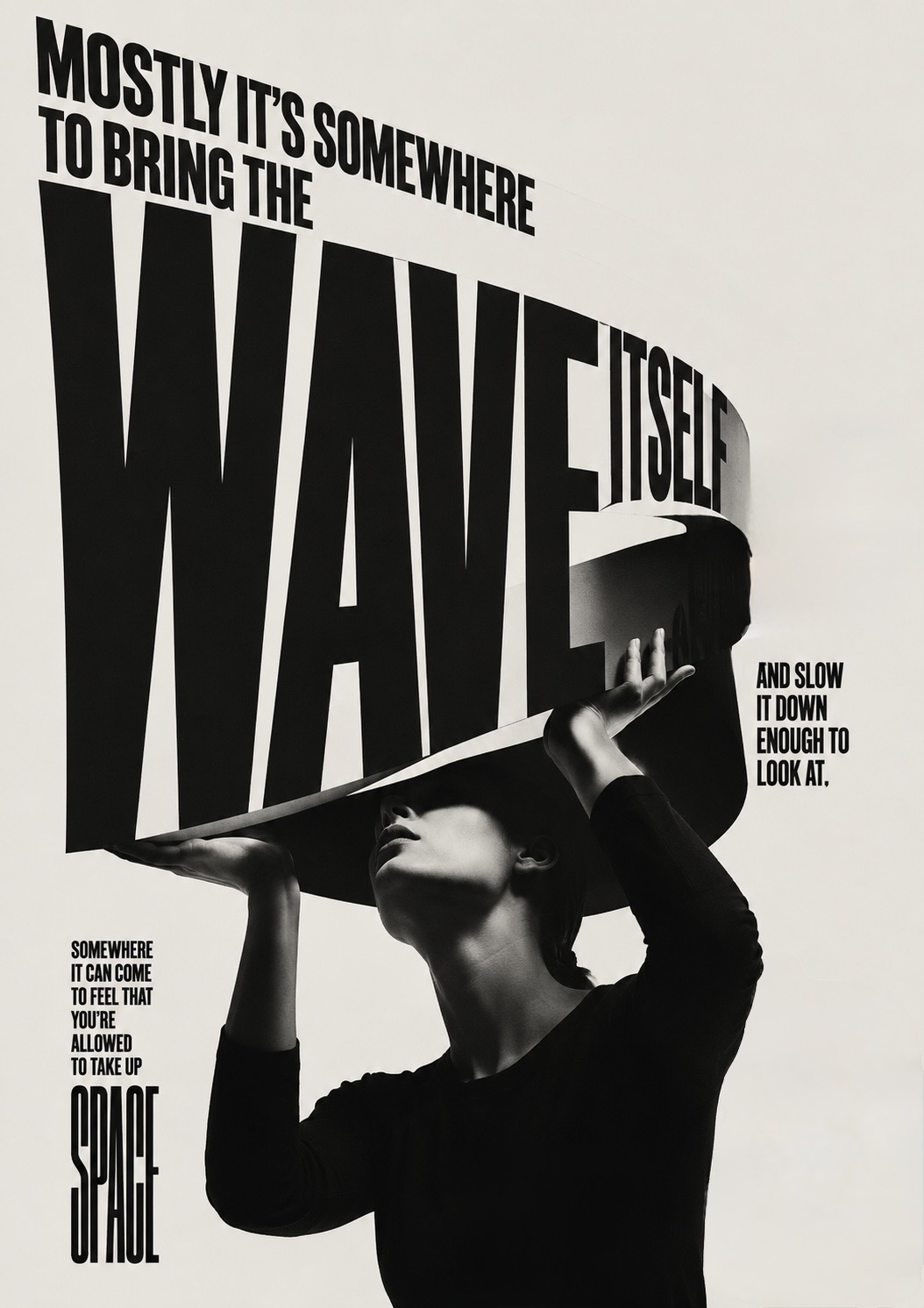
A woman holds a huge curling wave of type above her head, reading ‘mostly it’s somewhere to bring the WAVE ITSELF and slow it down enough to look at — somewhere it can come to feel you’re allowed to take up SPACE’.

Mostly it’s somewhere to bring the wave itself — the discomfort that has always arrived too fast to examine — and slow it down enough to look at. Somewhere it can come to feel that you’re allowed to take up space, that your needs are not an imposition, that disappointing someone doesn’t make you bad. You don’t have to hold any line to come here. You can bring the part that folds, the part you’ve been hardest on, and have it understood rather than corrected.

That space rests on something.

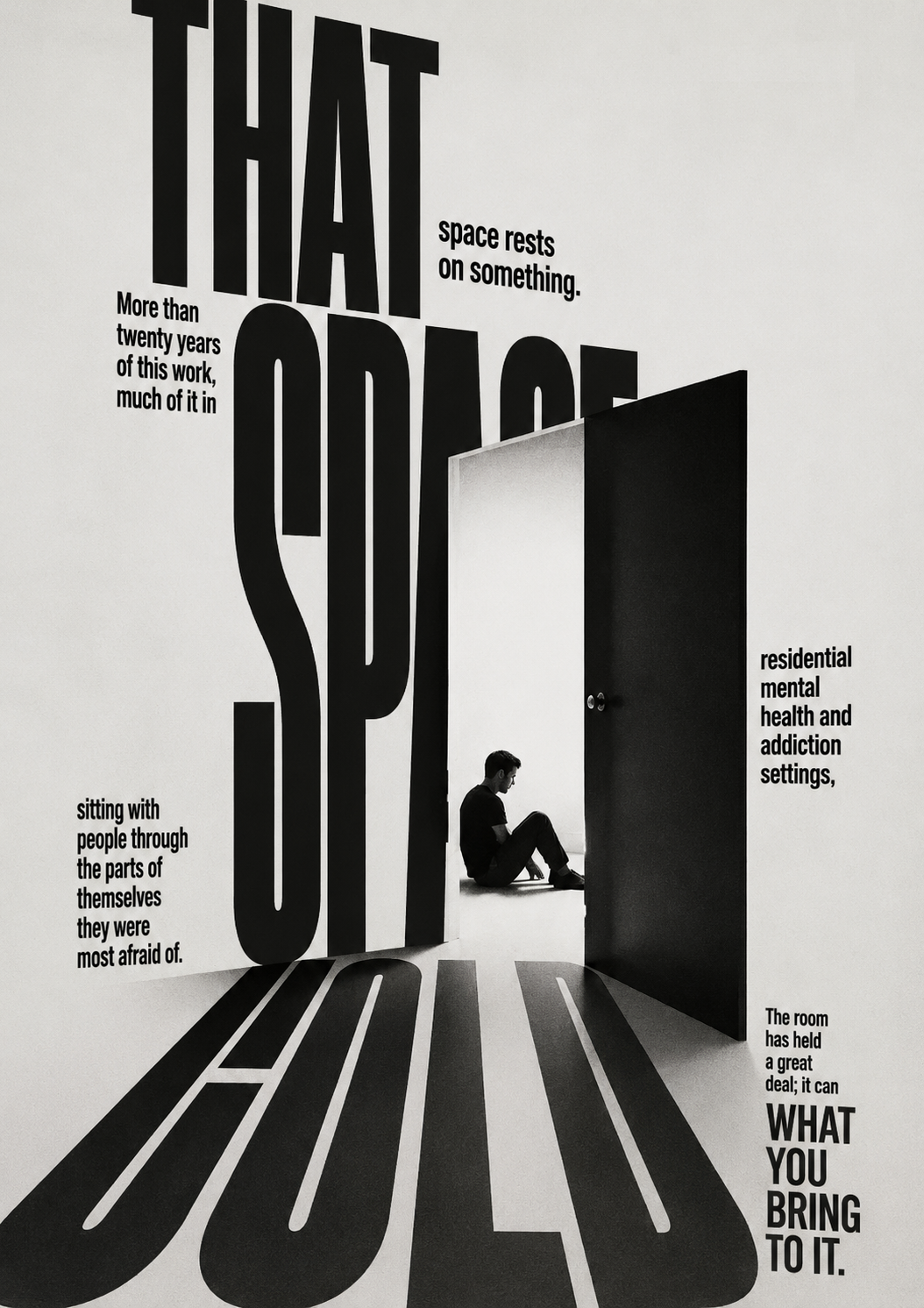
A lone figure sits in a doorway of light set into a monumental room of type reading ‘that space rests on something — the room has held a great deal; it can hold what you bring to it’.

That space rests on something. More than twenty years of this work, much of it in residential mental health and addiction settings, sitting with people through the parts of themselves they were most afraid of. The room has held a great deal; it can hold what you bring to it.

If this feels familiar

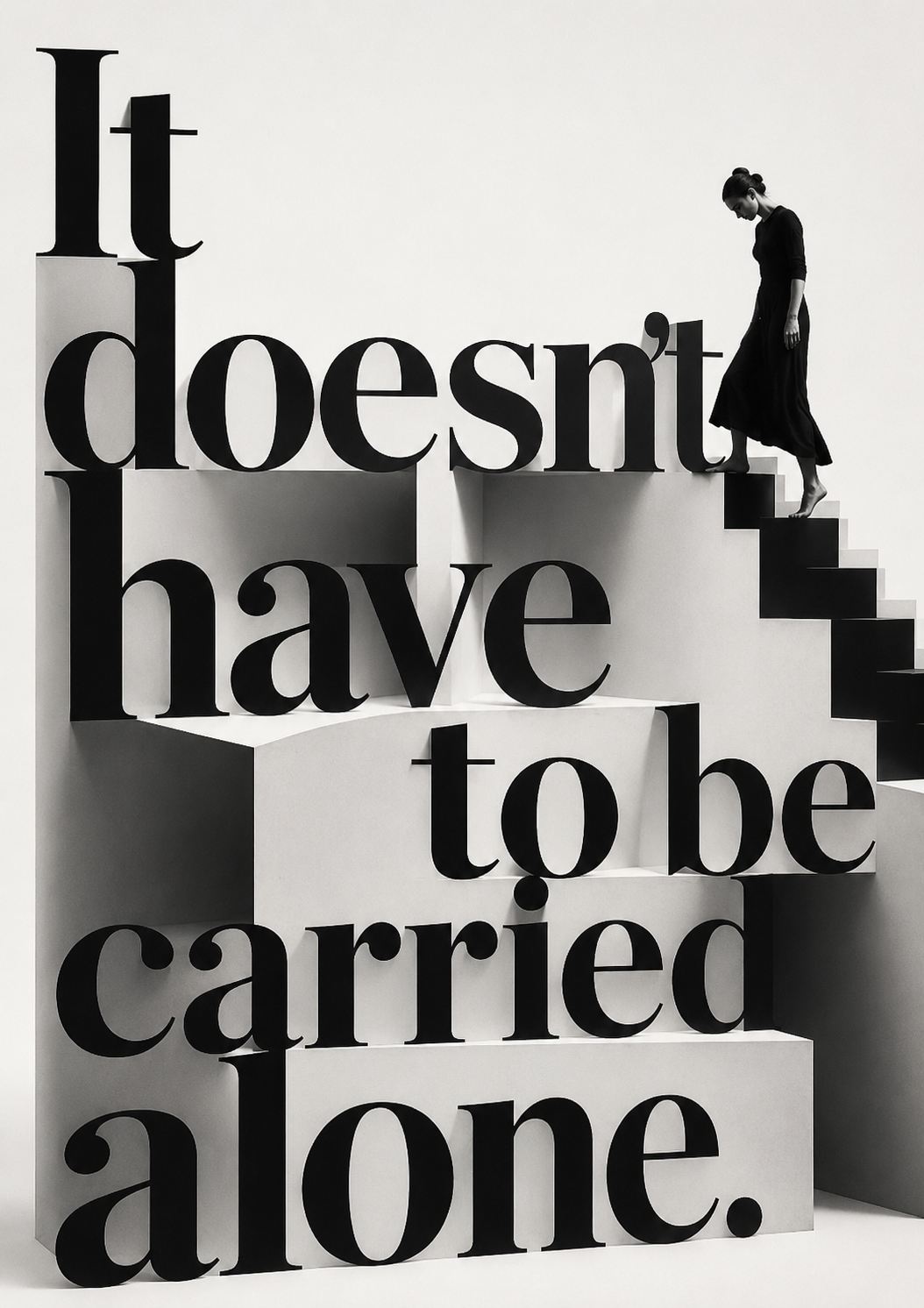
It doesn’t have to be carried alone.

A line that keeps folding rarely holds because you finally tried hard enough — you’ve likely proved that already. People who do this work tend to describe the change less as becoming harder and more as becoming clearer: able to give from choice rather than compulsion, and to stop without guilt. That’s a place to begin, whatever you hold or don’t from there.

117 Harley Street, London W1G 6AT
Norwich NR2 · Online via Microsoft Teams
A woman descending a staircase built from the giant words ‘It doesn’t have to be carried alone.’