Anxiety — not being able to switch off.
How I can help

Anxiety, overthinking, and not being able to switch off.

Area 01 · Anxiety

Anxiety, overthinking, and not being able to switch off.

What anxiety can feel like

You may find it impossible to quieten your mind.
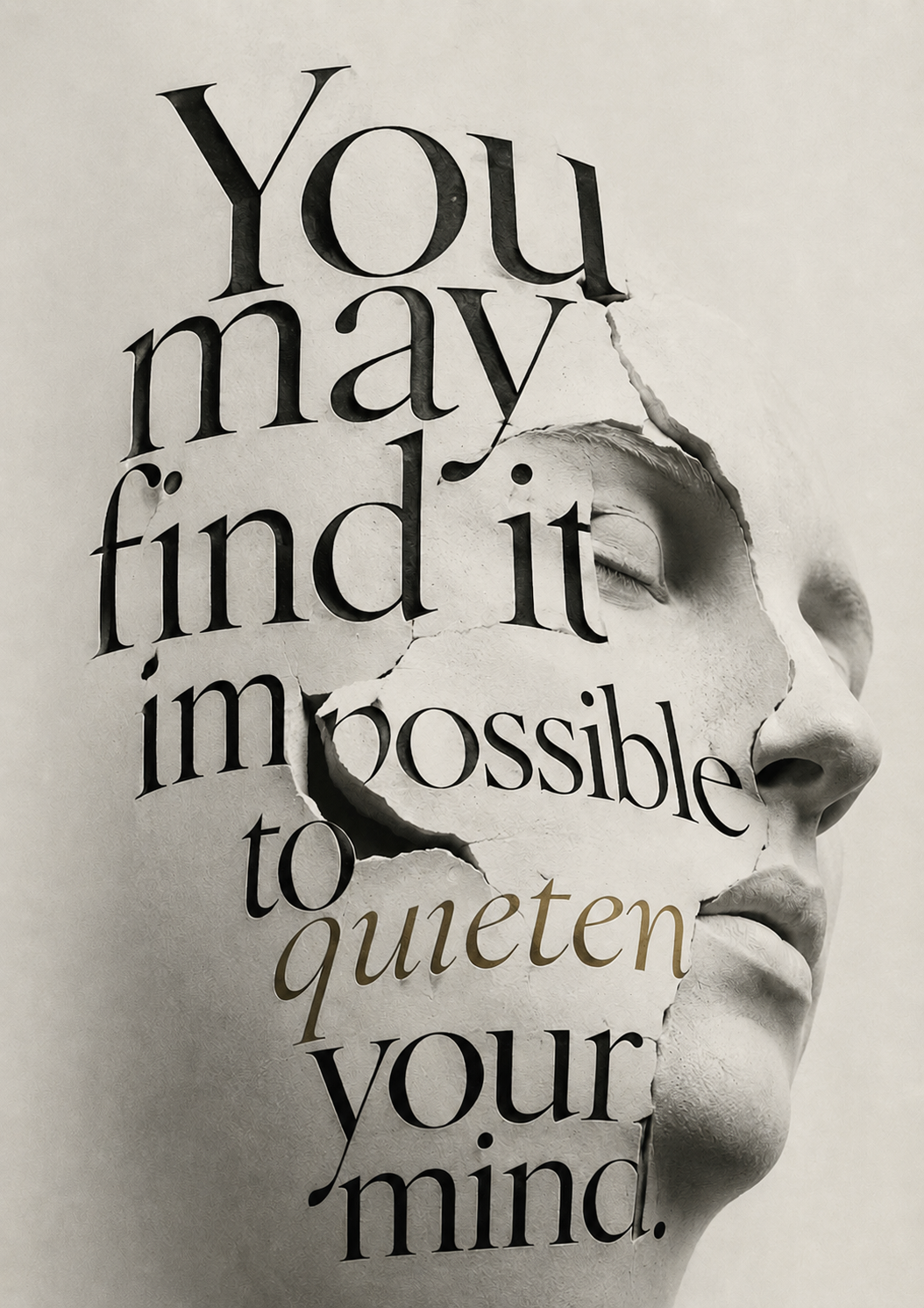
You may find it impossible to quieten your mind.

Anxiety rarely announces itself as fear. More often it’s a kind of background management — a low, continuous monitoring of what might go wrong, who might be upset, what’s been forgotten. The body is doing the work before the mind has named a threat: the tight chest, the shallow sleep, the sense of being braced against something that hasn’t happened and may never come.

What makes it so wearing is that it doesn’t feel optional. The vigilance feels like the only thing standing between you and disaster — to stop scanning would be to drop your guard, and some part of you is certain that dropping your guard is when the worst arrives.

The vigilance feels like the only thing standing between you and disaster.

A lone figure standing on the crumbling cliff-edge of the monumental word VIGILANCE, its final letters breaking away and falling into the void.

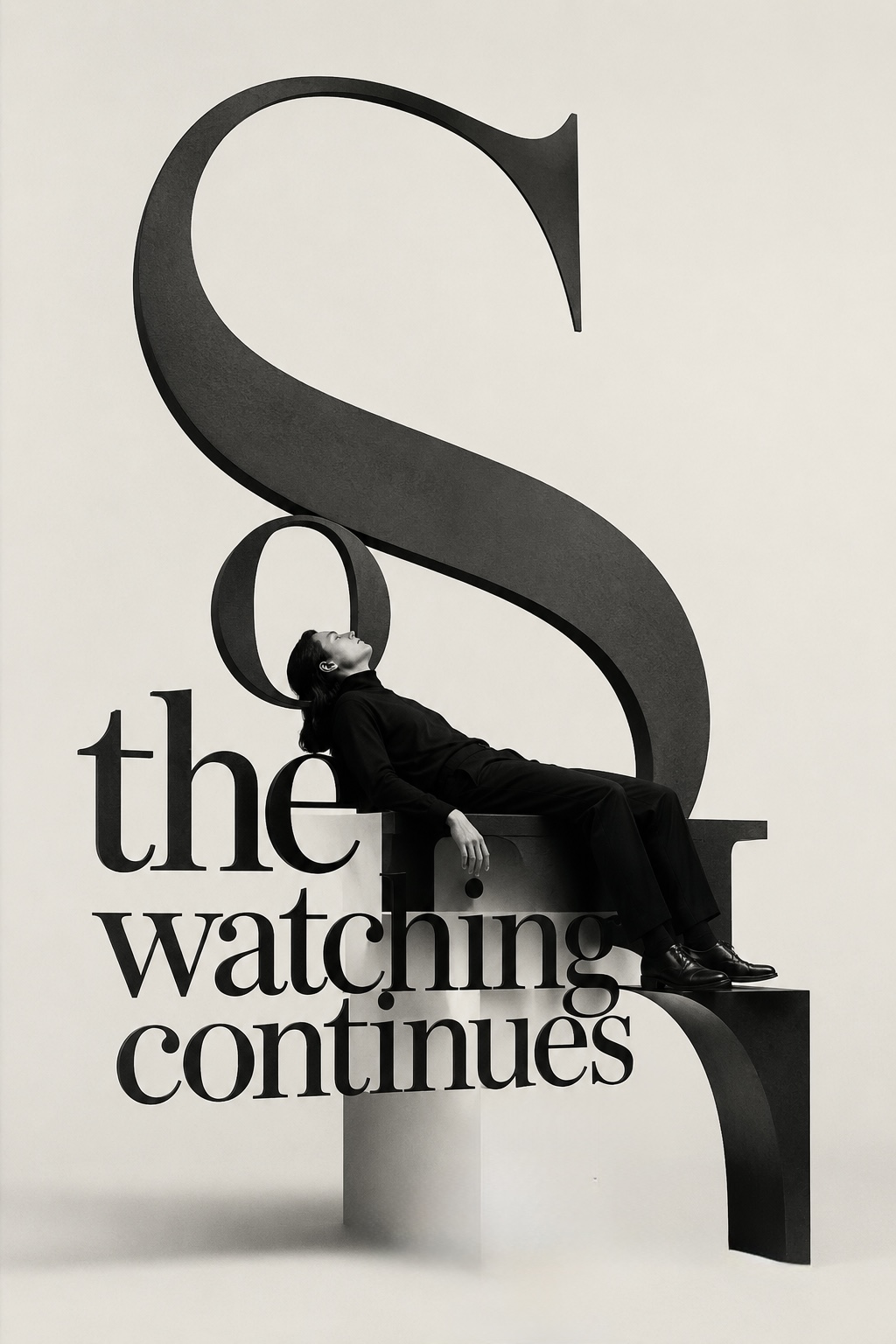
So the watching continues.

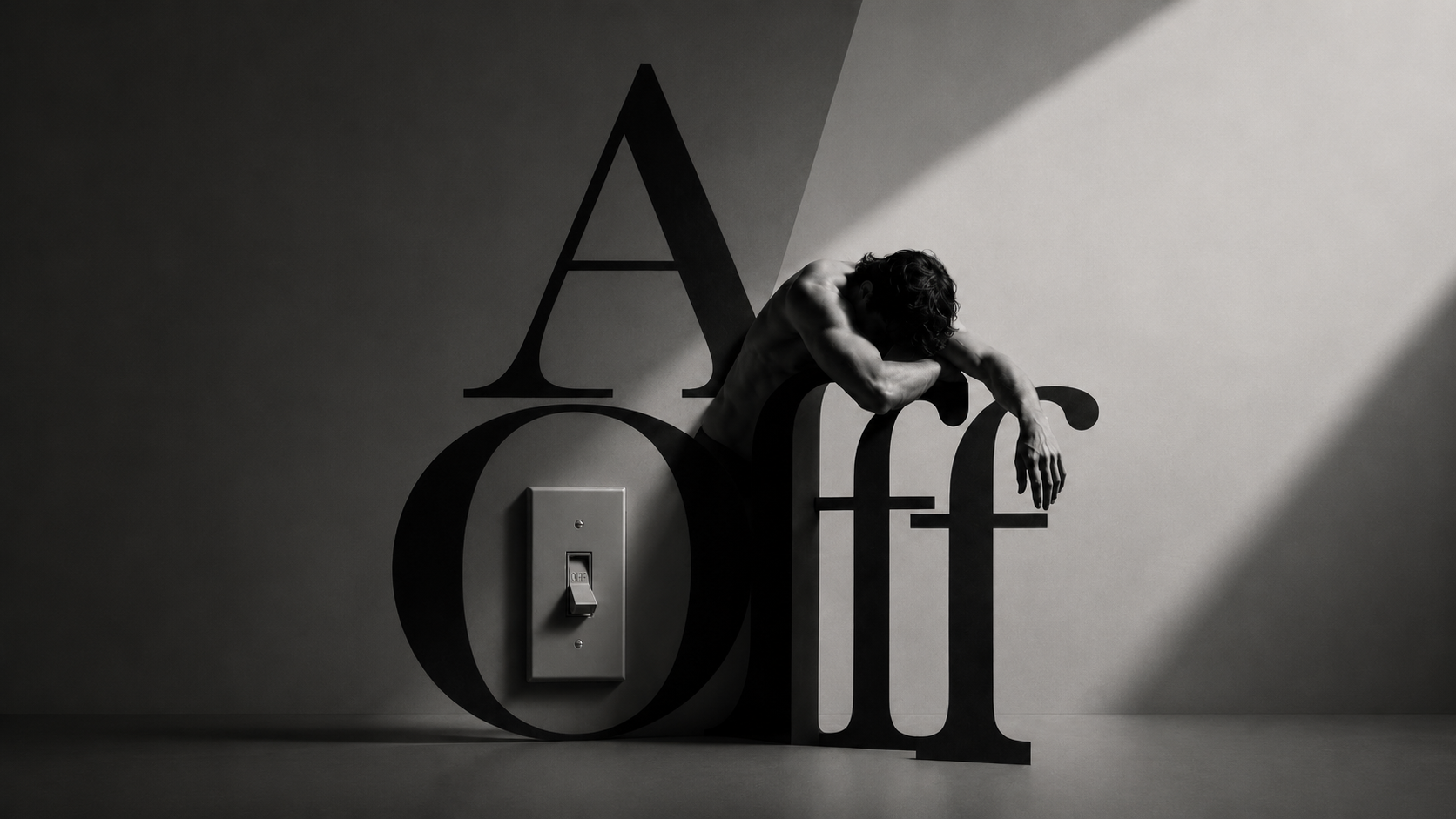
A figure reclining wearily across a monumental letter S beside the words ‘the watching continues’ — the exhaustion of vigilance that never gets to rest.

So the watching continues, and it’s exhausting precisely because it never gets to rest.
Area 01 · Anxiety

Common experiences

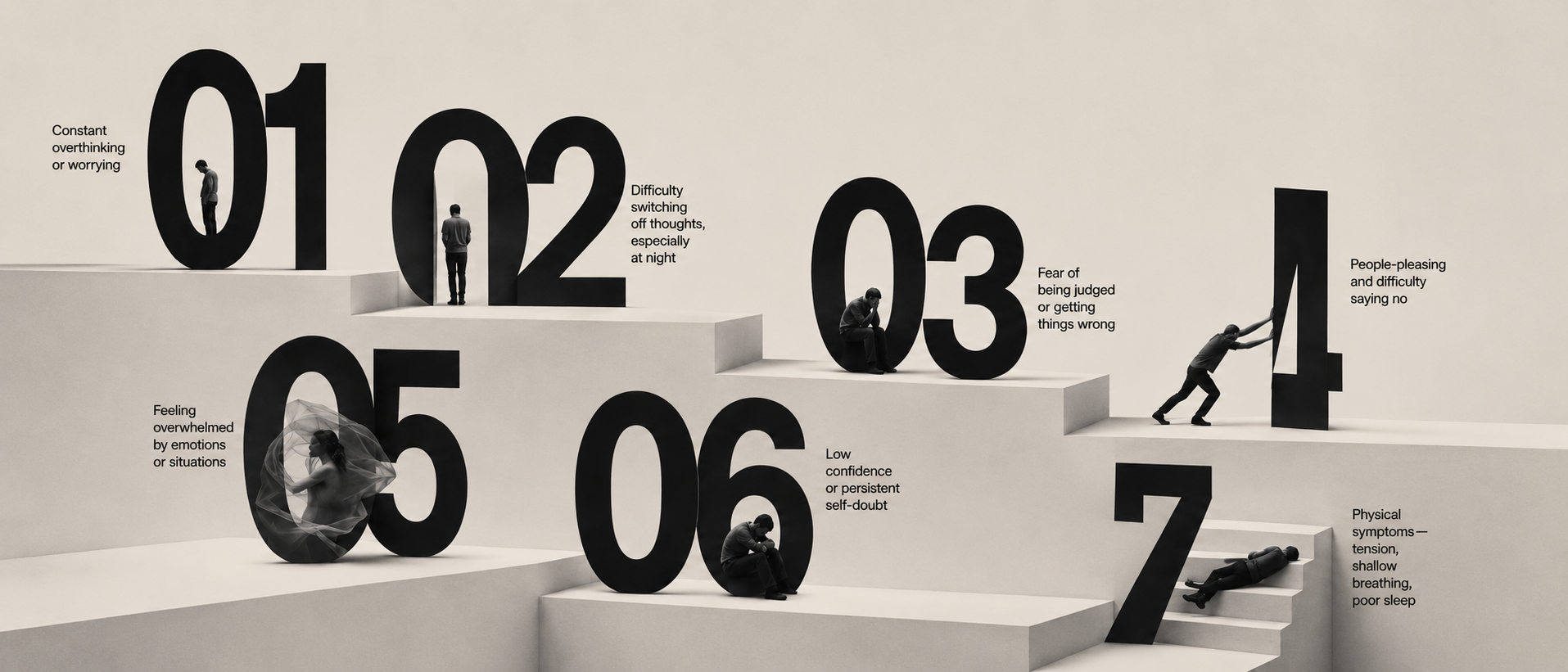
Seven common experiences of anxiety: 01 constant overthinking or worrying; 02 difficulty switching off thoughts, especially at night; 03 fear of being judged or getting things wrong; 04 people-pleasing and difficulty saying no; 05 feeling overwhelmed by emotions or situations; 06 low confidence or persistent self-doubt; 07 physical symptoms — tension, shallow breathing, poor sleep.

Few people arrive with all of these. Most recognise one or two — and find the others underneath as the work goes on.
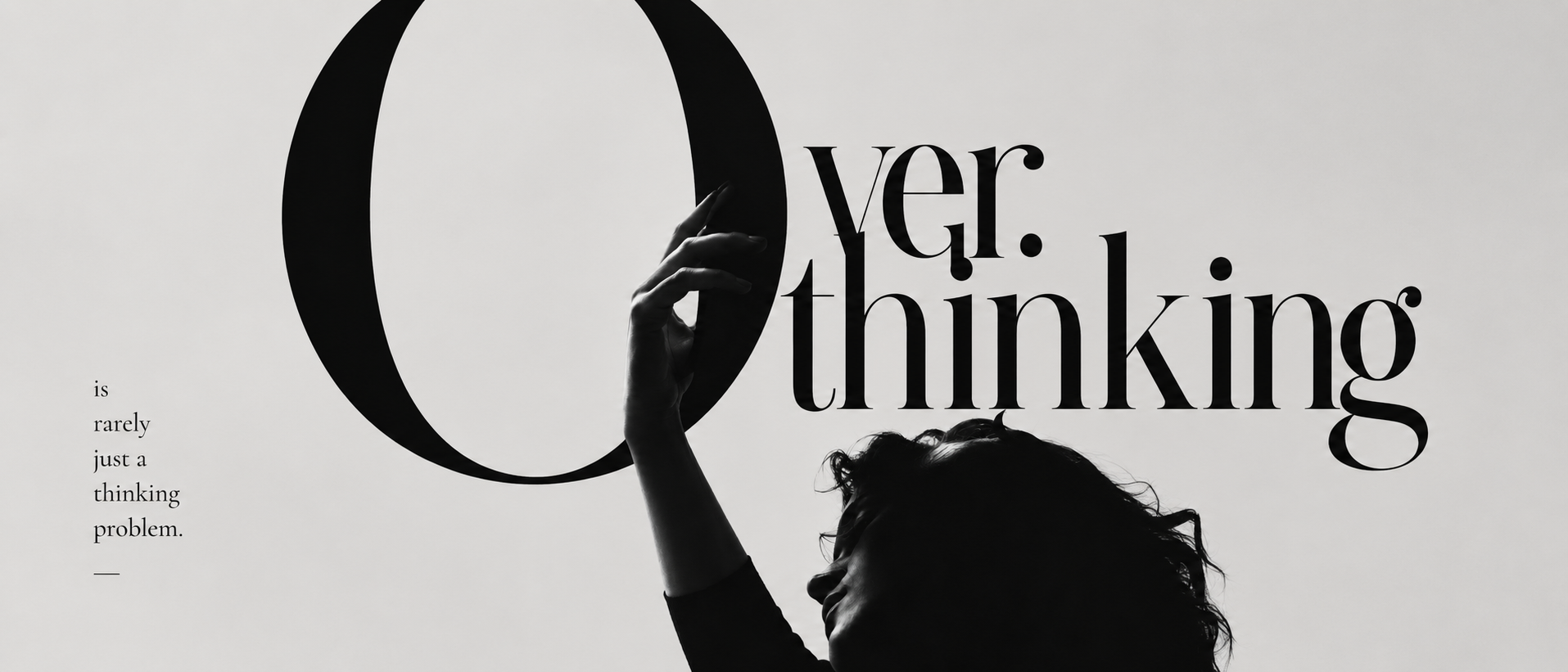
Overthinking is rarely just a thinking problem.
Where anxiety often comes from

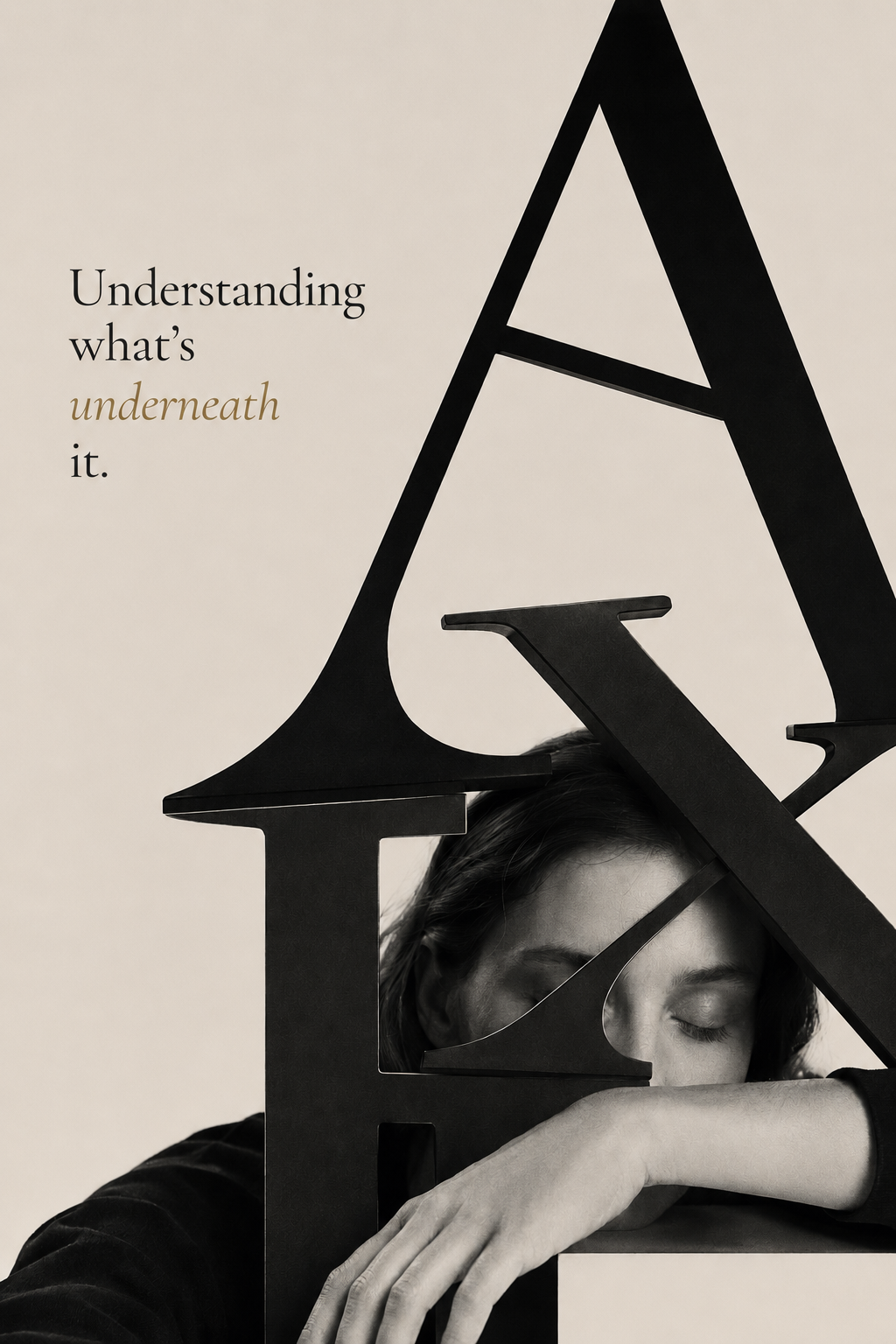
Understanding what’s underneath it.

Understanding what’s underneath it.

Most people who come with this have already tried a great deal on their own — the reading, the apps, the techniques, the willpower — and run each to its limit, only to find the anxiety outlasts them. That’s worth taking seriously rather than trying harder at.

Because anxiety isn’t a malfunction. It’s a system doing its job too well, in conditions it was calibrated for long ago. Somewhere, staying alert was genuinely the safest thing to be — reading the mood of a room, anticipating need, catching trouble early. The capacity that now exhausts you was once protective, even intelligent. It has simply gone on running after the danger it was built for has passed.

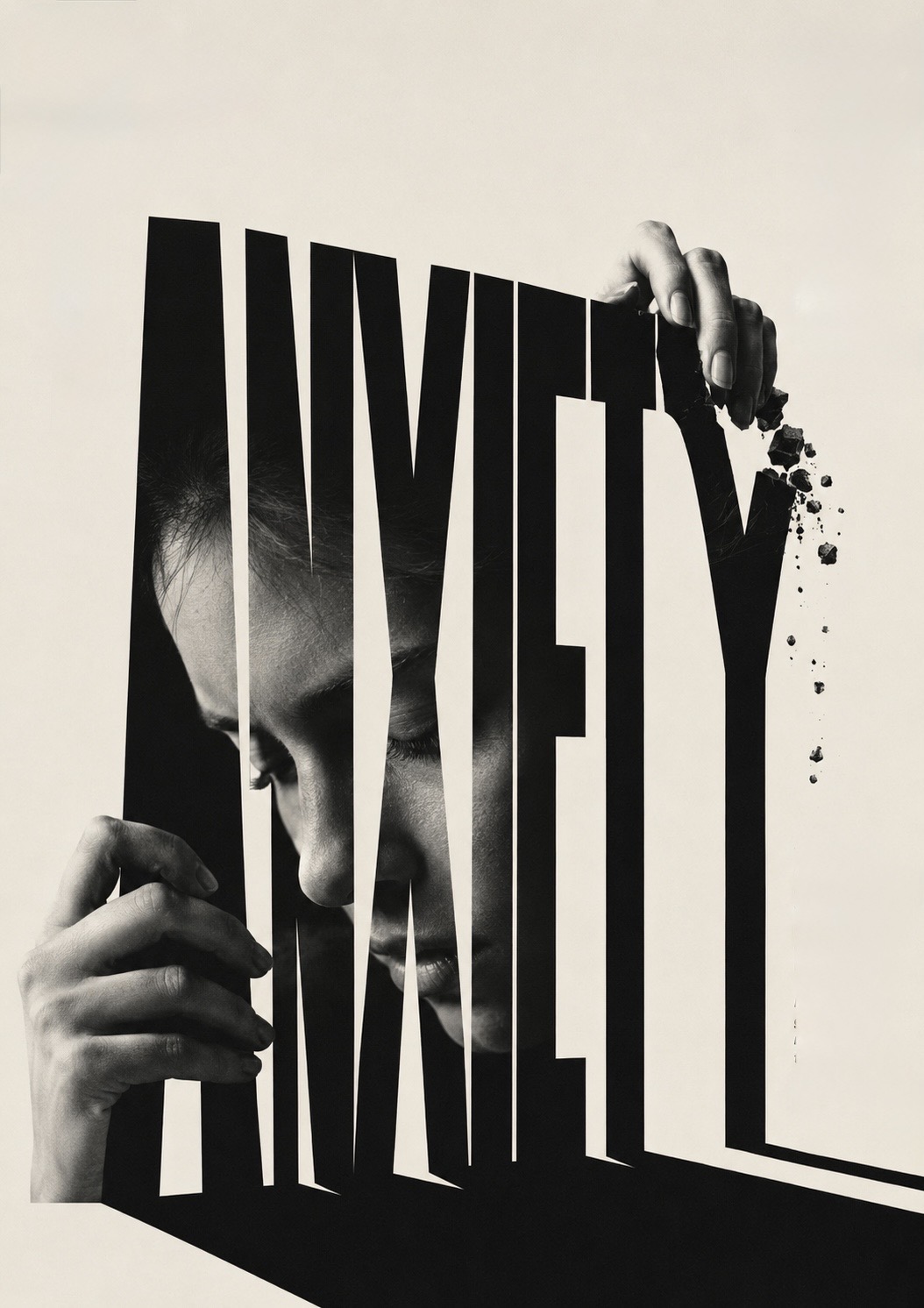
Anxiety isn’t a malfunction.

A hand holding up the monumental word ANXIETY like a mask over a downturned face, its final letters crumbling away to dust between the fingers.
How therapy helps

The work here isn’t another technique — safety is relational.

A hand cupping a smooth stone inside the monumental letters of the word SAFE, with the line ‘safety is relational’ set small at the foot.

The work here isn’t another technique to add to the ones you already have. It’s slower, and it goes the other way — toward what the vigilance is still guarding, and whether, slowly, it can learn that the guarding is no longer required.

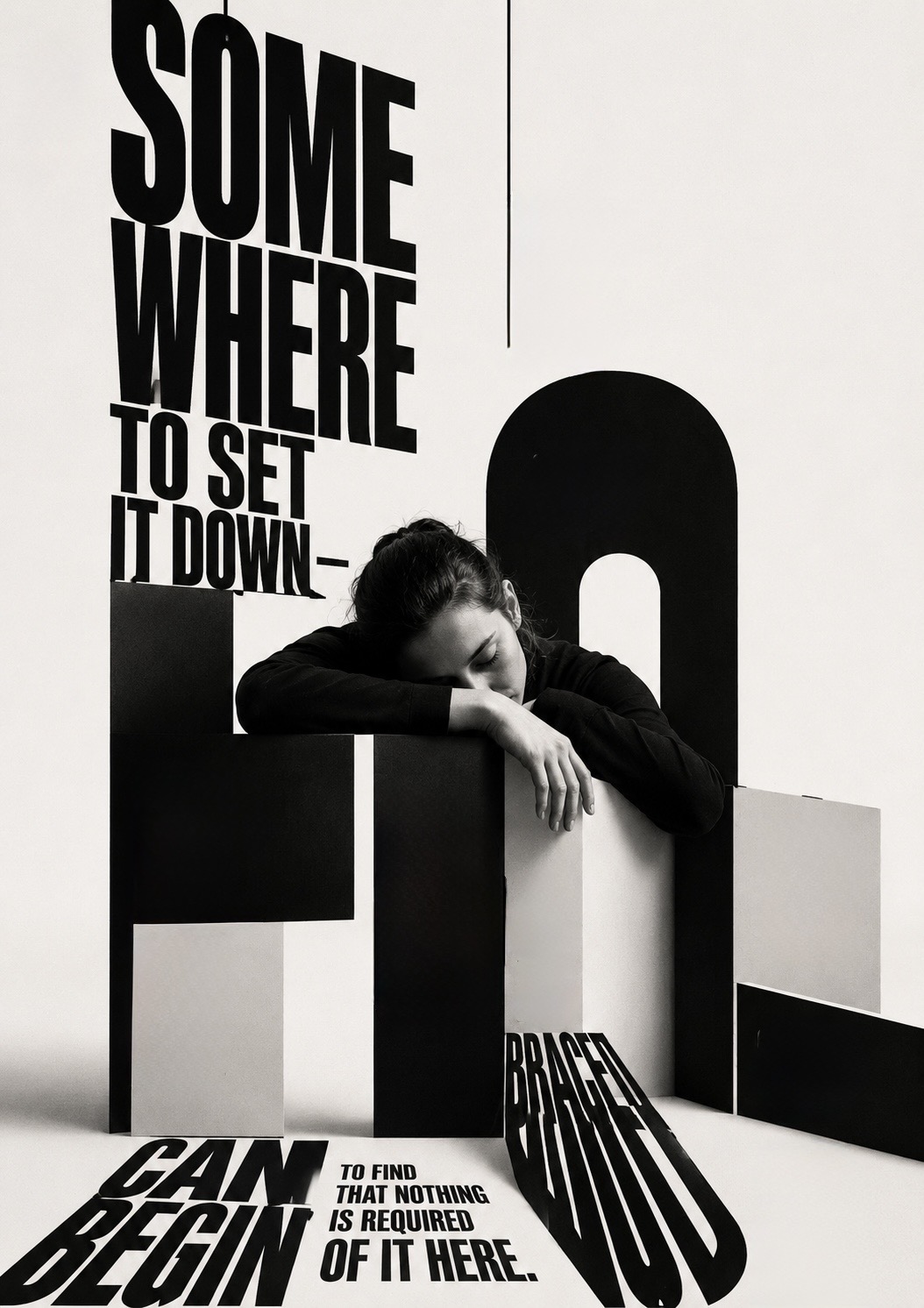
Somewhere to set it down.

A figure resting their head on folded arms atop monumental blocks spelling ‘somewhere to set it down’, with ‘braced — you can begin to find that nothing is required of it here’ laid across the floor.

This is, first, somewhere to set it down — to stop holding the alarm at arm’s length and bring it somewhere steady. That settling isn’t something willpower achieves; it happens as the nervous system comes to feel, rather than be told, that it’s safe. It’s relational — built in being met by someone who doesn’t need managing, where the part of you that’s always braced can begin to find that nothing is required of it here. Over time the scanning loosens, not because you’ve defeated it but because it’s no longer needed in the same way.

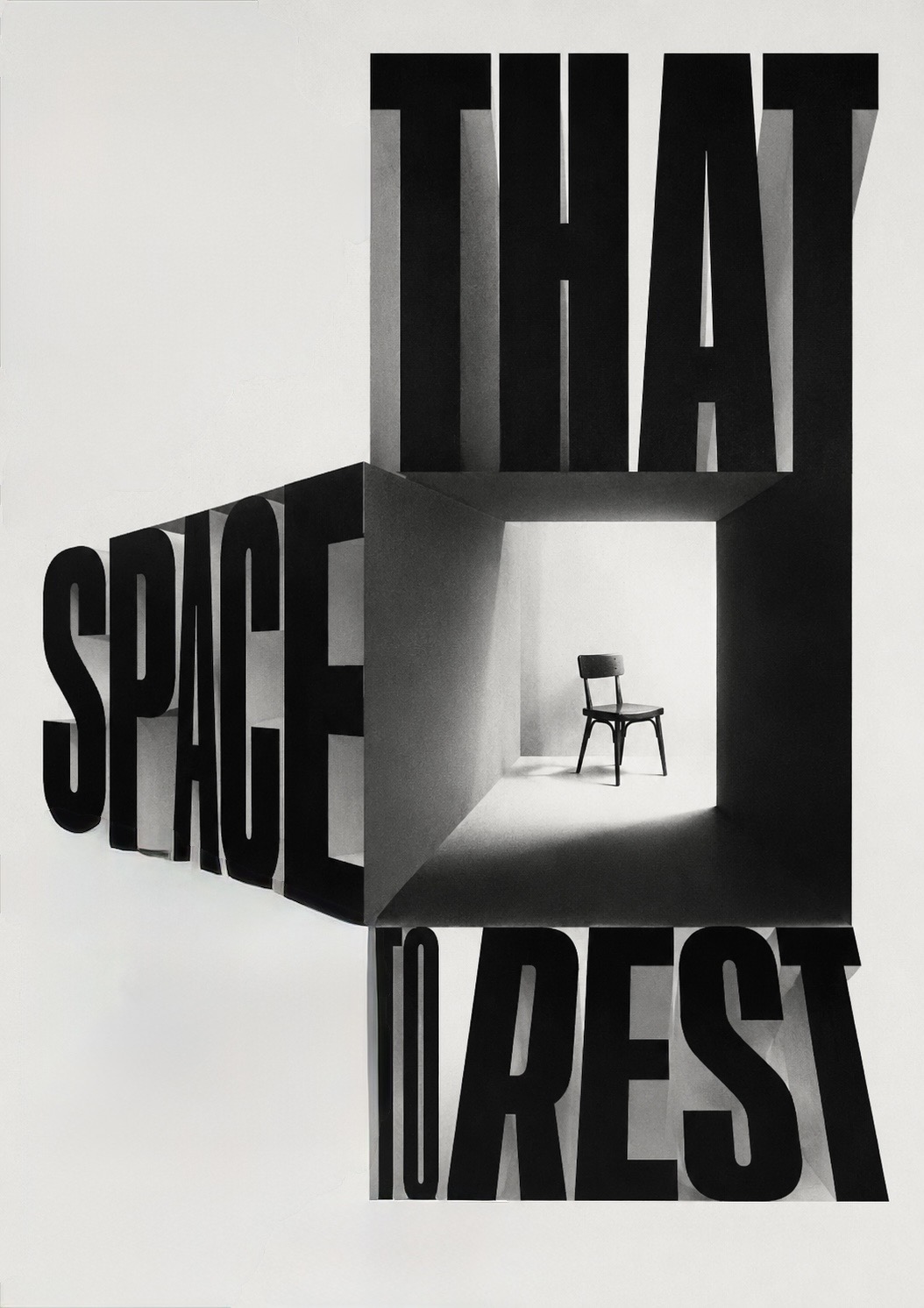
That space to rest.

A single empty chair inside a room formed from the monumental words ‘that space to rest’ — a quiet interior held open by the type.

That space rests on something. More than twenty years of this work, much of it in residential mental health and addiction settings, sitting with people through the parts of themselves they were most afraid of. The room has held a great deal. It can hold what you bring to it.

If this feels familiar

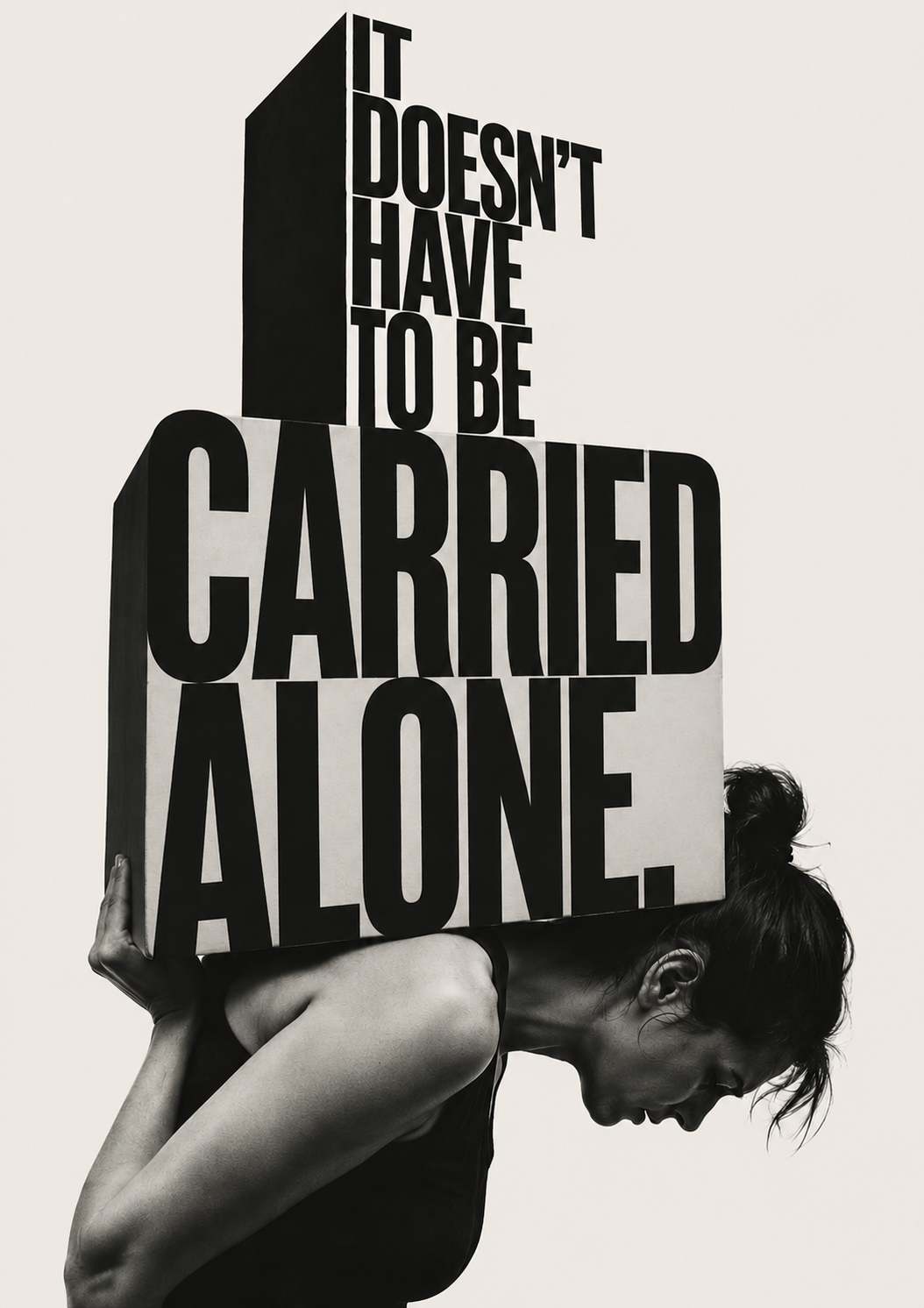
It doesn’t have to be carried alone.

Anxiety that has built over years rarely yields to willpower — you’ve likely proved that already. What tends to ease isn’t the absence of all worry, but the return of choice: noticing the alarm and recognising it as an old signal rather than a present fact. Much of the exhaustion is the attempt to hold what was never yours to hold — and a good deal of relief comes simply from telling, more accurately, what is and isn’t within your hands.

117 Harley Street, London W1G 6AT
Norwich NR2 · Online via Microsoft Teams
It doesn’t have to be carried alone.